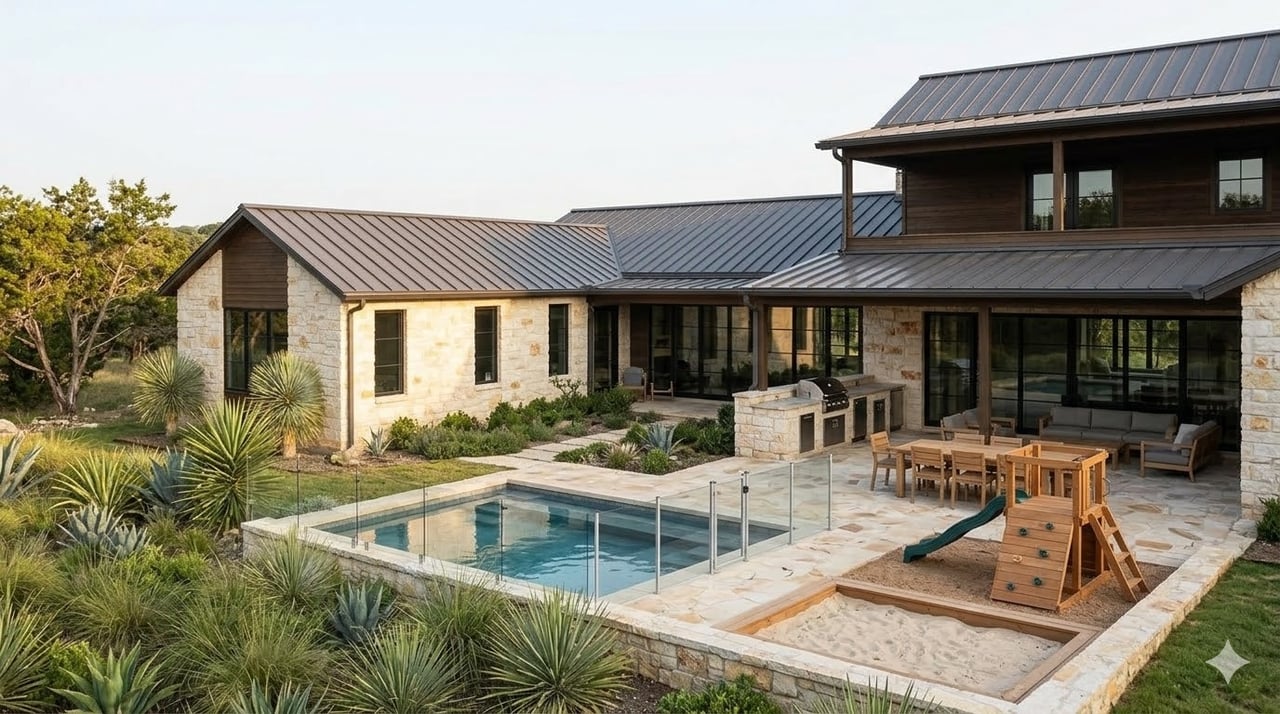
Designing a custom home is one of the most exciting and personal projects a family can undertake. Unlike buying an existing house, a custom build gives you the freedom to create spaces that reflect how you actually live, not how someone else imagined you might. In Austin, TX, where neighborhoods vary from quiet Hill Country retreats to vibrant urban corridors, that flexibility matters even more.
Whether you have a clear vision or are just beginning to explore your options, the design process can feel overwhelming without the right guidance. Seven Custom Homes has helped Austin-area families navigate this process and turn their ideas into homes that work beautifully for their everyday lives. Here are the expert tips that make the difference between a house that looks good on paper and one that truly fits your family.
Start With How Your Family Actually Lives
Before you think about square footage or floor plans, take an honest look at your daily routines. The best custom homes are designed around real habits, not idealized ones.
Consider questions like:
-
Morning flow: Does your family rush out the door at the same time? Multiple bathrooms, a mudroom with built-in storage, and a kitchen layout optimized for quick breakfasts can make mornings smoother.
-
Work and school from home: Do you or your kids need dedicated quiet spaces? A home office with a separate entrance or soundproofed rooms can preserve focus without sacrificing family connection.
-
Entertaining style: Do you host large gatherings or prefer intimate dinners? Open-concept great rooms, covered outdoor patios, and kitchen islands serve very different entertaining needs.
-
Pet and outdoor gear storage: Austin families tend to spend time outside. Designing a functional entry with hooks, cubbies, and easy-clean flooring keeps the mess contained.
-
Long-term living: Are you planning to age in place? Single-story layouts, wider doorways, and curbless showers add accessibility without sacrificing style.
Bringing a detailed lifestyle questionnaire to your first design meeting will help your builder and architect understand your priorities from day one.
Prioritize Lot Orientation and Austin's Climate
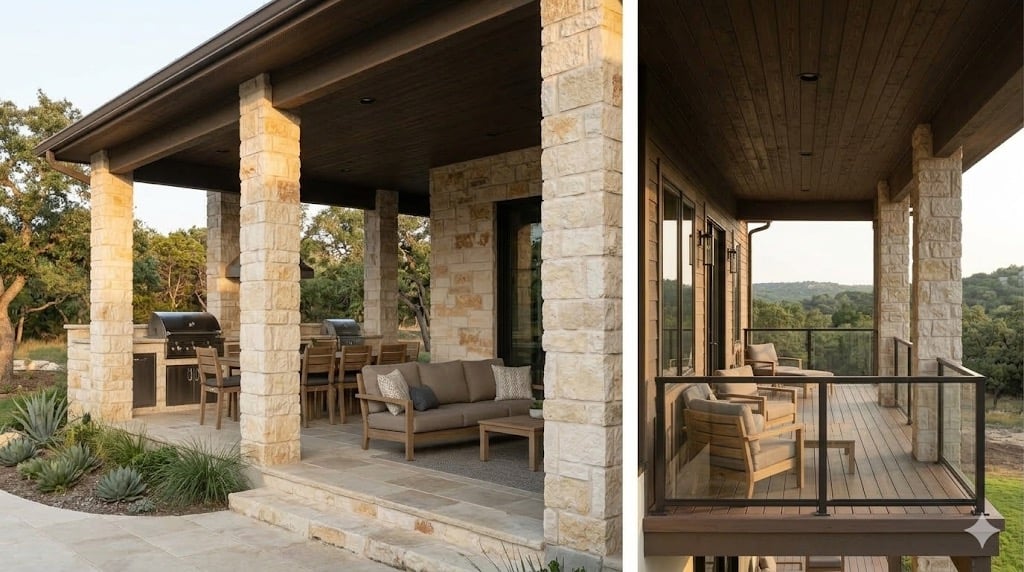
Austin's climate is a major factor in custom home design. With long, hot summers and mild winters, the way your home is positioned on the lot affects both comfort and energy costs for decades.
Smart orientation strategies include:
-
East-west building placement: Positioning the home so the long sides face north and south reduces direct sun exposure on walls during peak afternoon heat.
-
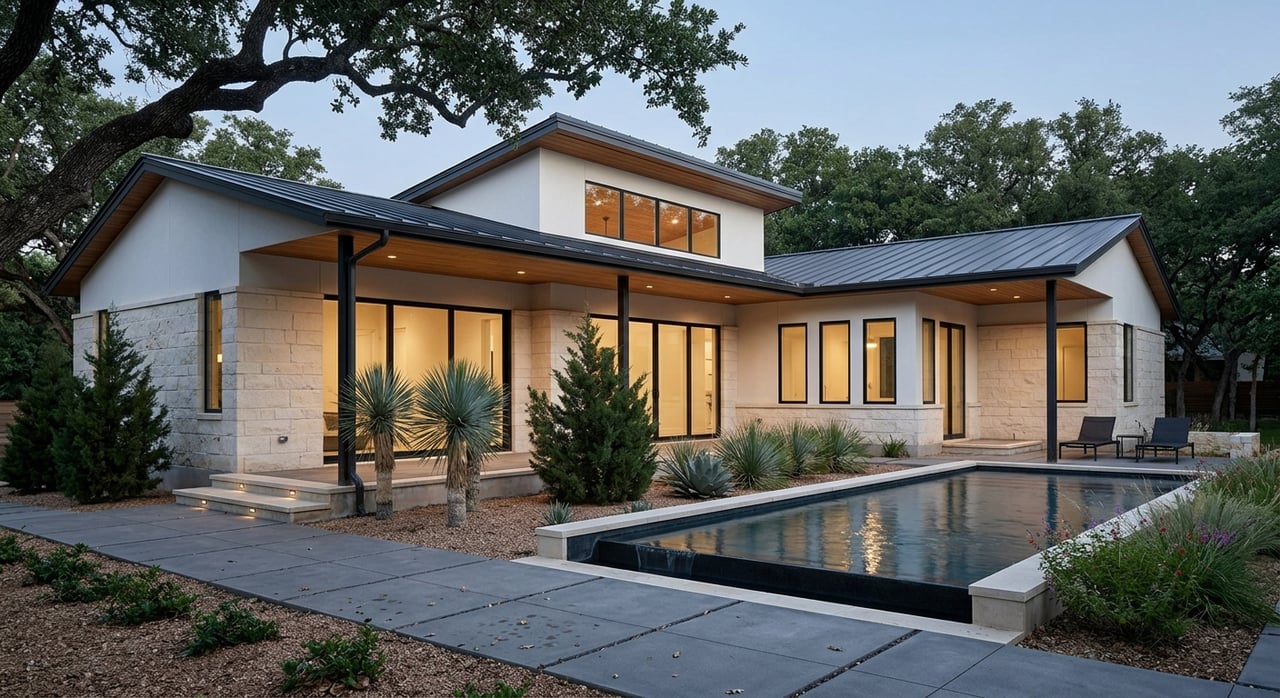
Roof overhangs and covered porches: Properly sized overhangs block high summer sun while still allowing lower winter sun to warm interior spaces naturally.
-
Window placement: Limiting west-facing windows reduces afternoon glare and heat gain. Clerestory windows on south-facing walls can bring in light without the thermal penalty.
-
Prevailing breezes: Austin's prevailing winds typically come from the south and southeast. Operable windows placed to capture cross-ventilation can dramatically reduce reliance on air conditioning.
-
Mature tree preservation: If your lot has existing trees, a skilled builder can design around them to provide natural shade and reduce cooling loads.
These decisions get locked in during the design phase. Revisiting them after construction is expensive or impossible, which is why experienced custom home building professionals emphasize climate-responsive design from the start.
Design for Flexibility and Future Growth
Families change. Children grow up, parents move in, hobbies evolve, and working arrangements shift. A well-designed custom home anticipates these transitions rather than forcing expensive renovations later.
-
Flex rooms: Rooms that can serve as a guest bedroom, playroom, home gym, or office depending on the season of life are increasingly popular. Designing them with closets, proper electrical, and sound insulation makes transitions easy.
-
Accessory dwelling units (ADUs): Austin's zoning regulations allow ADUs on many lots. Adding a guest suite or detached garage apartment provides housing flexibility for aging parents, adult children, or rental income.
-
Electrical and tech infrastructure: Running conduit, adding extra outlets, and pre-wiring for EV charging stations, solar panels, and home automation systems costs very little during construction and a great deal after.
-
Expandable footprints: If budget requires phasing the build, designing the foundation and structural elements to accommodate a future addition allows for growth without costly workarounds.
Thinking five to ten years ahead during the design phase is one of the most valuable things a custom home buyer can do.
Balance Open Plans With Private Retreats
Open floor plans remain popular, and for good reason. They create connection, maximize natural light, and make smaller square footage feel larger. But open plans come with trade-offs that can frustrate families over time.
The key is balance. Design the main living areas to feel open and connected while protecting areas that benefit from privacy.
-
Acoustic zoning: Place bedrooms, home offices, and media rooms away from the main living hub. Stagger walls, use batt insulation in interior walls, and select solid-core doors to minimize sound transfer.
-
Visual separation without walls: Peninsula counters, changes in ceiling height, and furniture placement can define zones within open spaces without sacrificing the airy feeling.
-
The kitchen as the hub: In Austin custom homes, the kitchen almost always anchors the floor plan. Design it for visibility to outdoor living areas and adjacent family rooms so the person cooking remains part of the action.
-
Primary suite placement: Whether on the first or second floor, the primary suite should feel like a true retreat. Consider locating it away from children's bedrooms and living areas.
Don't Underestimate Outdoor Living in Austin
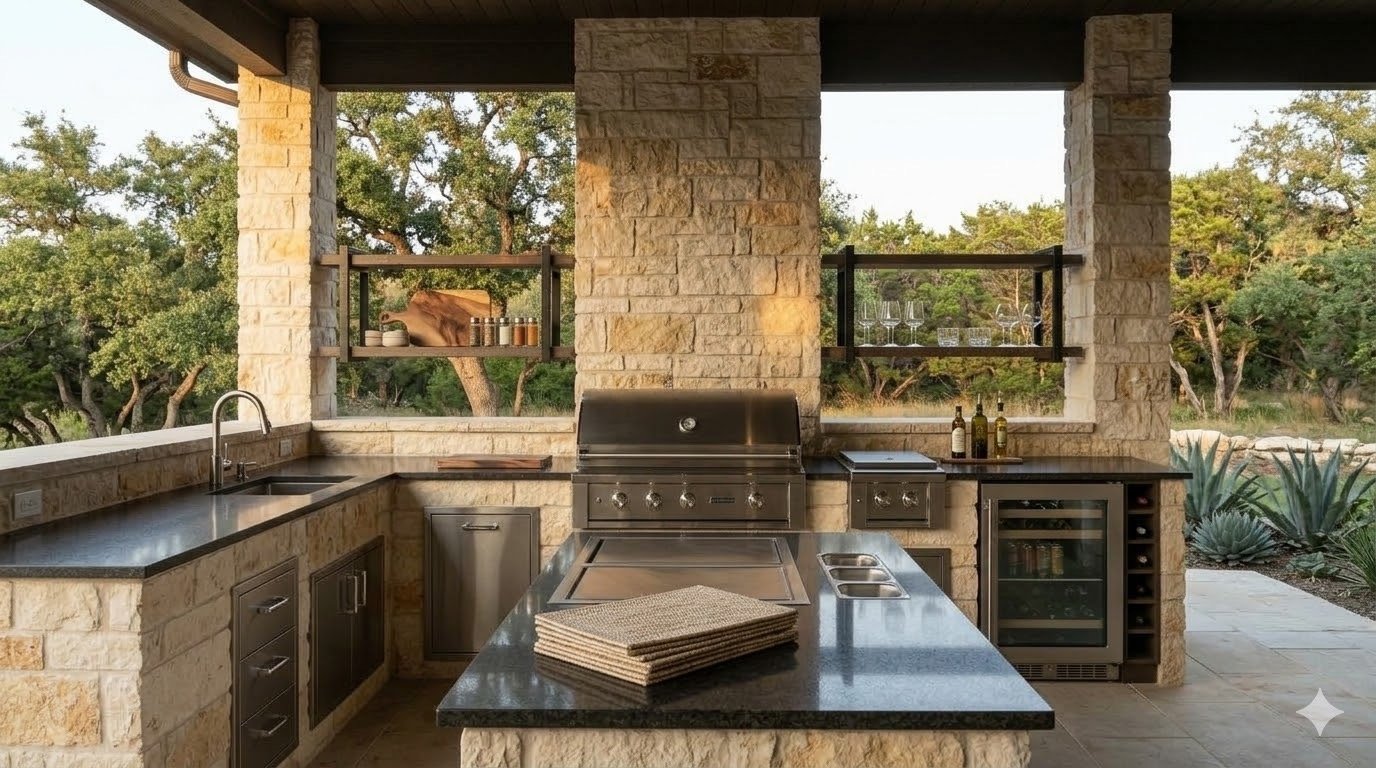
Austin's climate supports outdoor living for most of the year, and a well-designed outdoor space can functionally extend your home's square footage.
Outdoor elements worth prioritizing:
-
Covered patios with ceiling fans: Essential for extending usability into summer months. Orientation and roof design affect how much relief these spaces provide.
-
Outdoor kitchens: Increasingly standard in Austin custom homes, these range from simple built-in grills to full cooking stations with refrigeration and bar seating.
-
Swimming pools and water features: Pool placement relative to the home, prevailing sun, and privacy fencing dramatically affects how much use a pool actually gets.
-
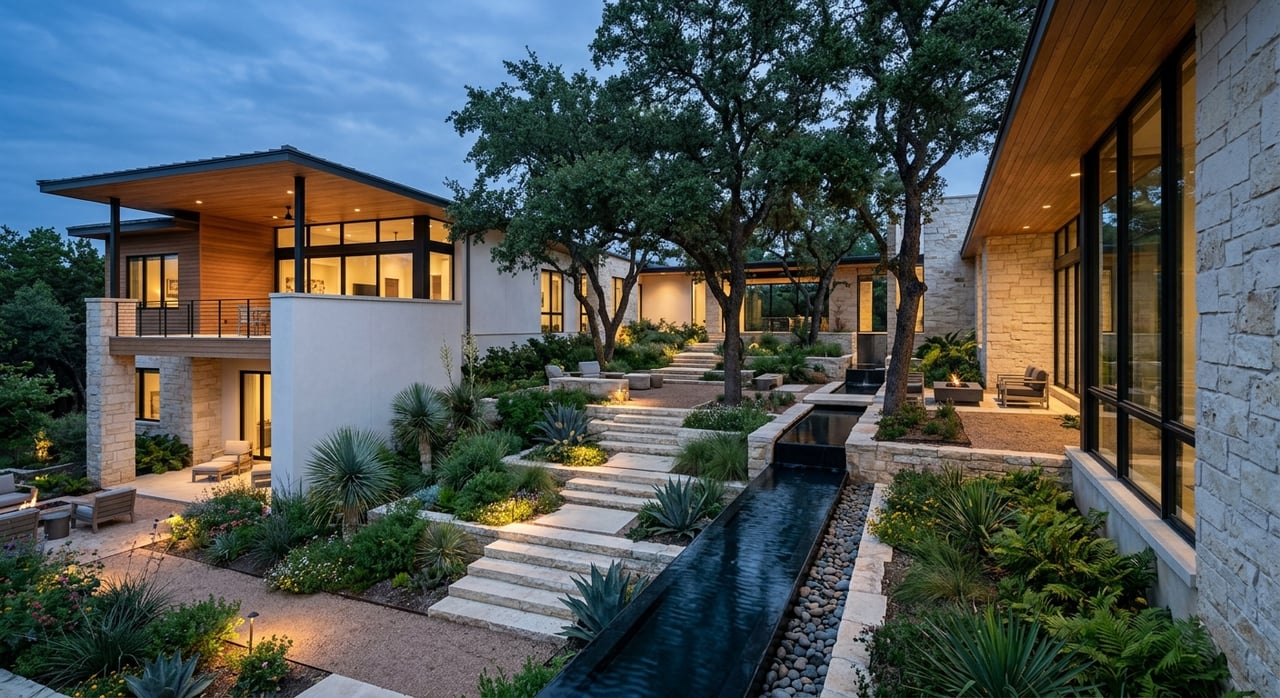
Native landscaping: Drought-tolerant native plants like Texas sage, lantana, and live oaks require less water and maintenance while connecting your home to the local landscape.
-
Lighting and privacy screening: Well-designed outdoor lighting and strategic plantings or privacy walls allow outdoor spaces to function comfortably into the evening.
Work With a Builder Who Knows Austin
Austin's unique combination of topography, soil conditions, climate, and local permitting requirements makes local expertise invaluable. A builder who has worked extensively in the Austin area understands the challenges of building on Hill Country terrain, the specific requirements of various municipalities, and the supplier relationships that keep projects on schedule.
Working with a trusted custom home builder in Austin means you benefit from established relationships with local subcontractors, architects, and material suppliers. It also means your builder can anticipate issues before they become costly delays.
When evaluating builders, ask to see completed projects in neighborhoods similar to where you plan to build, speak with past clients about how challenges were handled, and review how the builder communicates throughout the construction process. Transparency and communication are as important as craftsmanship.
Establish a Realistic Budget With a Buffer
Custom home pricing in Austin can range significantly depending on the lot, finishes, square footage, and site conditions. Establishing a realistic budget early, and building in a contingency, protects you from painful compromises mid-build.
A few financial considerations:
-
Soft costs: Design fees, permits, surveys, and engineering can add up. These are often overlooked in initial budget conversations.
-
Site work: Clearing, grading, and utility connections vary widely based on lot conditions and can significantly affect overall cost.
-
Finish-level decisions: Material choices, from flooring to plumbing fixtures to cabinetry, have a compounding effect on the budget. Establishing finish-level priorities early helps allocate funds where they matter most to your family.
-
Contingency: A contingency of 10-15% is widely recommended to cover unforeseen conditions during construction.
Frequently Asked Questions
How long does the design phase take for a custom home in Austin?
The design phase typically takes three to six months, depending on the complexity of the home, the responsiveness of the homeowner, and the permitting timeline for the municipality. Starting with a clear vision and making decisions promptly helps keep the process on schedule.
Do I need to hire my own architect, or does the builder provide design services?
Some custom home builders offer in-house design services, while others work with independent architects. Either approach can work well. The key is ensuring that the designer and builder communicate closely throughout the process, as design decisions have direct cost and construction implications.
What should I prioritize if my budget is limited?
Prioritize structural and systems quality first: foundation, framing, roofing, insulation, HVAC, and plumbing. These are difficult and expensive to change after construction. Surface finishes and fixtures can often be upgraded over time far more affordably.
How do Austin's HOA and zoning rules affect custom home design?
Austin and its surrounding municipalities each have their own zoning ordinances, and many neighborhoods have HOA guidelines governing exterior materials, colors, height limits, and setbacks. Your builder should be familiar with the rules governing your specific lot before design work begins.
Can I make changes to the design after construction starts?
Changes made after construction begins, known as change orders, are possible but typically add cost and time to the project. Major structural or layout changes are especially costly. Thorough planning and decision-making before breaking ground is the best way to avoid this.
What features are most popular in new Austin custom homes right now?
Austin families are currently prioritizing dedicated home offices, energy-efficient systems including solar-ready designs, outdoor living spaces with shade and cooking areas, smart home technology infrastructure, and multi-generational suite configurations. Functional storage and mudroom areas are also high on most families' wish lists.
Build the Home Your Family Deserves
Designing a custom home in Austin is an investment in the way your family will live for years to come. Every decision, from how you orient the home on the lot to where you place the primary suite, shapes the daily experience of the people who live there. Taking time to think through your priorities, working with professionals who know Austin's unique building environment, and planning for your family's future makes all the difference.
Seven Custom Homes specializes in custom home building throughout the Austin area, helping families create homes that are as functional as they are beautiful. If you are ready to start the conversation about designing your custom home, call the team at (512) 662-1349 today.
About Seven Custom Homes
Seven Custom Homes is a luxury custom home builder serving Austin, TX and the surrounding areas, with over a decade of experience creating bespoke residences tailored to each client's vision. From architectural design and permitting through construction management and post-build support, the team handles every phase with precision, craftsmanship, and transparent communication.
With more than 200 families served, Seven Custom Homes brings deep knowledge of Austin's terrain, neighborhoods, and building requirements to every project. Services span custom home building, luxury home construction, and home remodeling, all guided by a commitment to exceptional quality and lasting value.
Explore the portfolio at sevencustomhomes.com or call (512) 662-1349 to schedule a private consultation.