If you are choosing between Amarra and core Barton Creek, you are really choosing between two different ways to live in the same broader West Austin setting. One leans newer, more curated, and more lock-and-leave in feel. The other often offers more established homesites, mature surroundings, and a longer history of ownership patterns. This guide will help you compare the tradeoffs clearly so you can decide which Barton Creek option fits your goals best. Let’s dive in.
Amarra vs. core Barton Creek at a glance
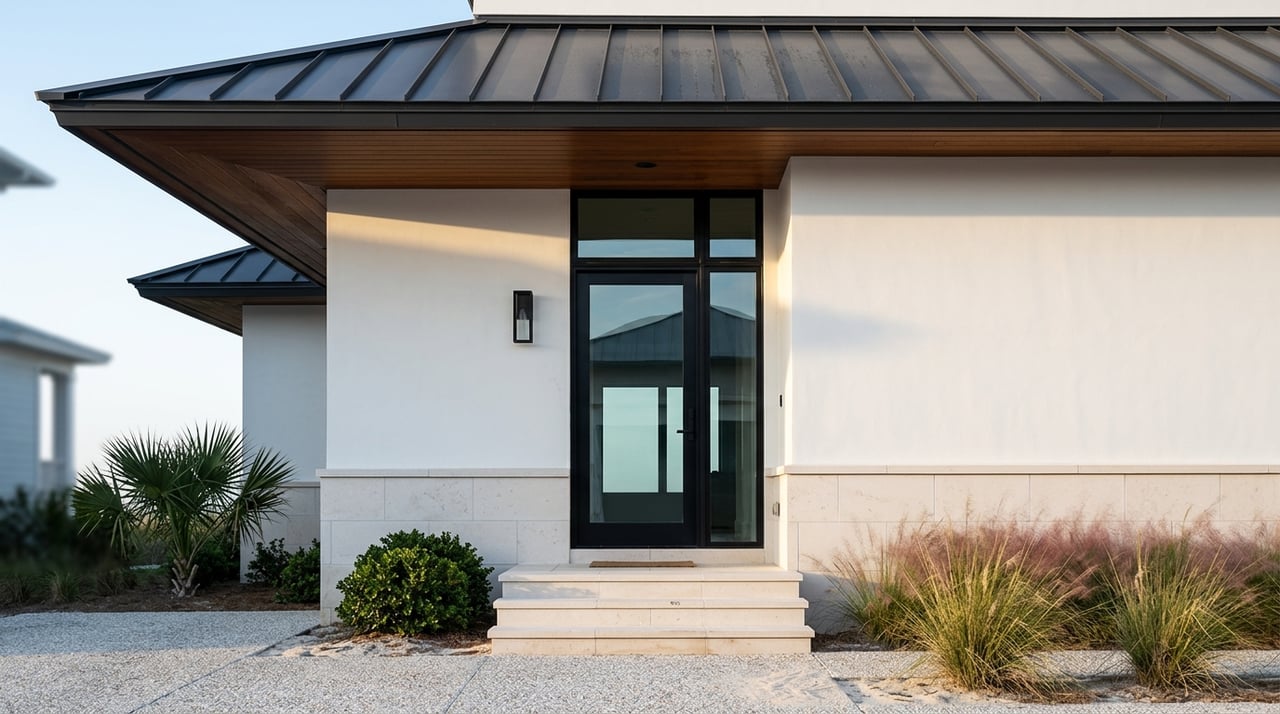
At a high level, Amarra reads as the newer end of the Barton Creek market. Current builder materials describe small, phase-specific offerings with homes around 3,300 to 4,100 square feet, private driveways, and no shared amenities or common-use spaces. Some current homesites also back protected green space, which shapes the privacy and view experience.
Core Barton Creek is broader and more varied. Barton Creek North is a 2,500-acre master-planned community in West Austin with 11 gated neighborhoods and a 655-member master property owners association. Because the area has been established for decades, buyers will often encounter a wider mix of lot sizes, home ages, and renovation potential.
Location context inside Barton Creek
What Amarra represents
Amarra is best understood as a more pocketed and curated offering within the larger Barton Creek landscape. City approvals referenced in the research show very small plats in some Amarra phases, including two lots on 0.637 acres for one phase and a 6.82-acre site for The Overlook at Amarra Drive. That tells you Amarra is not one uniform neighborhood experience.
Instead, it is phase-driven and selective. For many buyers, that creates a more controlled feel, with newer homes and more intentional siting near protected natural edges.
What core Barton Creek represents
Core Barton Creek includes older, established sections shaped by decades of development. The resort history dates back to 1987, and the neighborhood framework has had time to mature. Today, Barton Creek North guidance notes that much of the community is in a remodel or tear-down phase rather than a brand-new subdivision phase.
That matters if you want a neighborhood with a longer-established pattern of homes, landscape growth, and renovation activity. It also means you may see meaningful variation from one section to another instead of one tightly packaged product.
Lot size, land, and topography
Amarra homesites tend to feel more controlled
Amarra is often a fit for buyers who want privacy and views without taking on a large estate lot. Current builder materials emphasize greenbelt privacy, protected natural edges, and a quieter scale. In practical terms, that can mean a smaller or more manageable homesite with a strong relationship to surrounding open space.
For some buyers, this is a major advantage. You can still get a Barton Creek setting without the maintenance burden that often comes with a much larger parcel.
Core Barton Creek can offer larger lot opportunities
The broader Barton Creek watershed is hilly and irregular, with steep slopes and stair-step landforms noted by the City of Austin watershed study. Older sections are not all the same. Some areas are true estate-lot settings, while others are still generous but less expansive.
The same study notes that some Barton Creek-related areas generally feature lots of one acre or larger, while other nearby sections may be one acre or less. So if you are comparing Amarra with core Barton Creek, the right question is not just “Which has bigger lots?” but “Which specific section gives me the land profile I want?”
Views, privacy, and daily livability
Amarra often emphasizes green-space adjacency
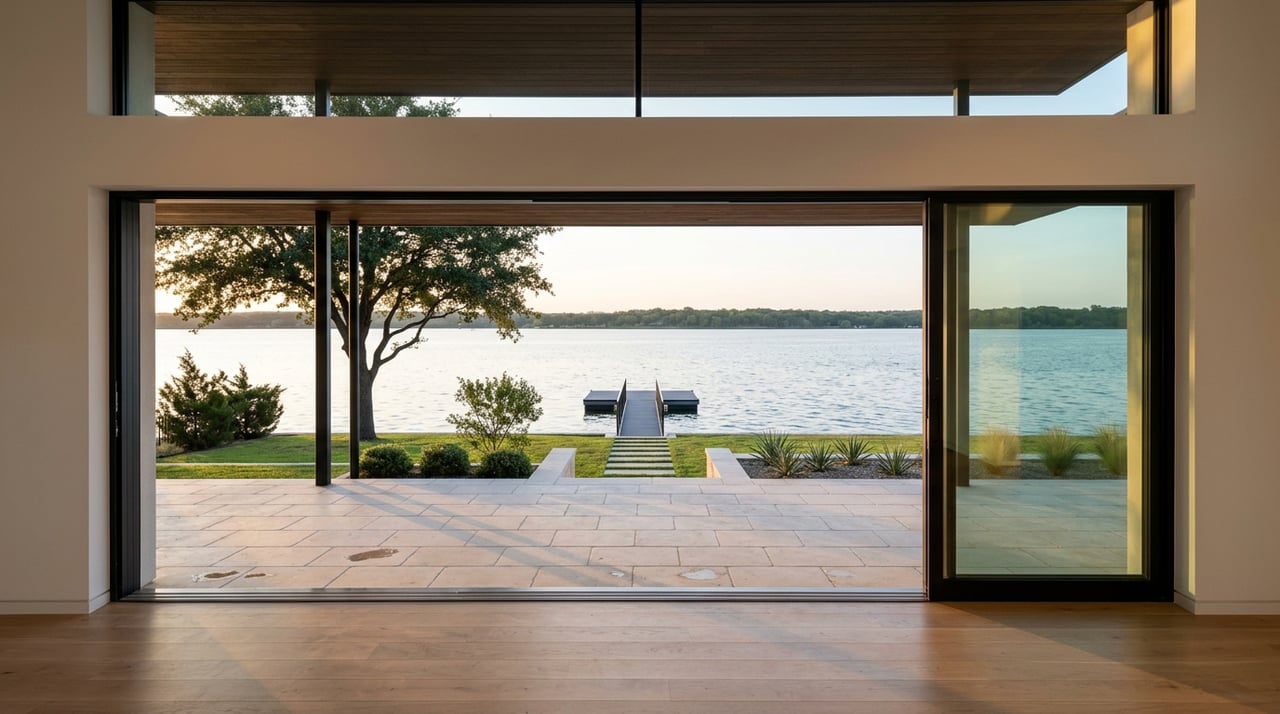
One of Amarra’s clearest lifestyle themes is adjacency to protected green space. Builder materials repeatedly position the neighborhood around natural edges and privacy. If you want a home that feels visually connected to open land, that may be a strong point in Amarra’s favor.
This can appeal to buyers who care more about a carefully framed view corridor than about owning a larger piece of land. It is a different kind of privacy than a broad estate lot, but it can be very appealing.
Core Barton Creek often brings a mature setting
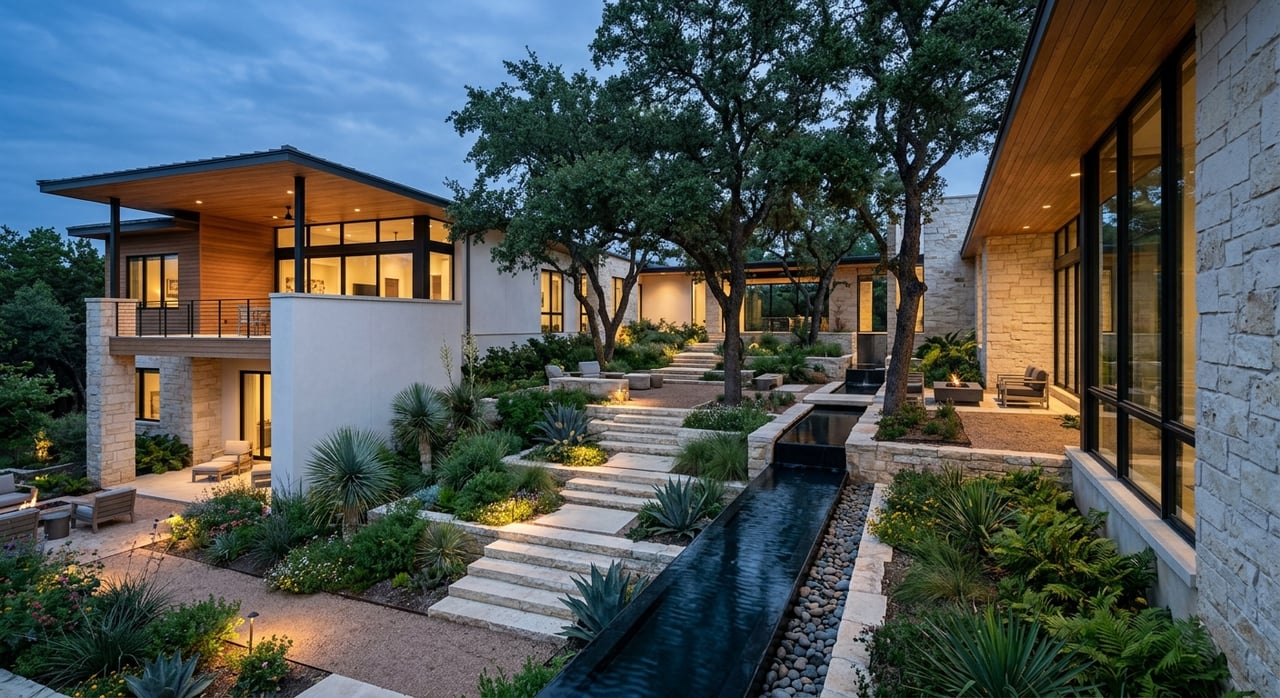
In core Barton Creek, privacy may come from lot depth, topography, and a more mature tree canopy rather than a newer curated homesite plan. Because many homes are older and the neighborhood has evolved over time, the street feel can be more established. For buyers who value that settled character, core Barton Creek may feel more substantial from day one.
This is especially relevant if you prefer the look of a neighborhood that has grown into itself over time. Mature surroundings can change the daily feel of a property just as much as square footage or finish level.
Home age and architectural feel
Amarra is the newer-construction choice
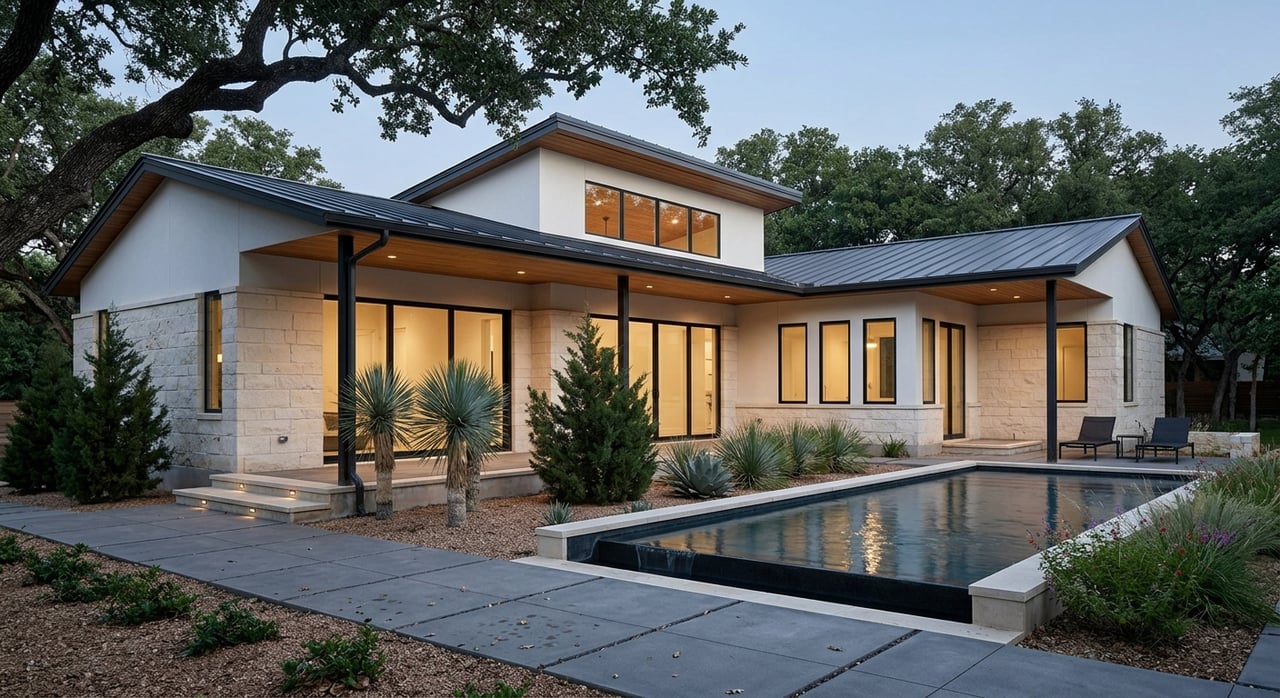
Amarra is the clearest option if you want newer construction. Current inventory is described as under construction, coming soon, or recently completed. Builder messaging also presents these homes as design-forward and fully realized rather than production-style.
If your priority is modern systems, newer finishes, and less immediate renovation planning, Amarra will usually stand out. That can simplify your decision if you want a more turnkey starting point.
Core Barton Creek offers established housing stock
Core Barton Creek tends to offer more established homes. Because the community has been around for decades, many homes reflect earlier building periods and may present opportunities for remodeling, expansion, or full rebuilds depending on the property and section restrictions.
That creates a different buyer path. Instead of choosing a newer curated product, you may be choosing a homesite, a setting, or a long-term transformation opportunity.
Design rules and neighborhood character
Barton Creek has a defined design language
Older Barton Creek sections are shaped by a Hill Country-oriented architectural framework. The design guidance encourages native stone and masonry and earthy materials. It also discourages steep or unusual roofs, bright colors, mirrored surfaces, and wood fences.
For buyers, the result is often a more cohesive and traditional streetscape. That consistency can help preserve the visual tone of many established sections.
Amarra may feel more curated and individualized
By contrast, current Amarra builder materials emphasize refined Hill Country finishes and stronger design individuality. While Amarra still sits within the broader Barton Creek environment, its newer product positioning reads as more intentionally curated. If you are drawn to a fresh, polished, design-forward presentation, that difference may matter.
This is one of the clearest emotional distinctions between the two. Core Barton Creek often feels established and traditional, while Amarra often feels newer and more tightly composed.
HOA and architectural review expectations
Review timelines are part of ownership
In Barton Creek North, the master association oversees common-area maintenance, irrigation, and much of the architectural review framework. Guidance notes that approvals for improvements typically take about four to six weeks. Exterior changes such as additions, pools, landscaping changes, lighting changes, and other visible work may require review.
That is important for any buyer considering an established Barton Creek property. The cost of ownership includes not only dues, but also planning time and compliance with architectural standards.
Why this matters for custom-minded buyers
If you are thinking about a renovation, rebuild, or major outdoor update, review requirements should be part of your timeline from the start. Buyers drawn to older Barton Creek sections for flexibility should balance that opportunity with the reality of a structured approval process.
For buyers considering a newly completed or nearly completed home in Amarra, that may be less of an immediate concern. You may be stepping into a more finished product rather than planning visible changes right away.
Club access is not automatic
A common assumption in Barton Creek is that ownership automatically includes club access. The research does not support that. Barton Creek Country Club operates as a separate membership program with golf, racquet, social, and Lakeside membership categories.
The club site also states that golf tee times are reserved for resort guests and members only. If club access is important to you, confirm the membership details directly in the listing and contract rather than assuming they transfer with the home.
Which option fits your goals?
Amarra may fit you better if you want
- Newer construction
- A more curated neighborhood feel
- Smaller or more controlled homesites
- Green-space adjacency and privacy
- A more turnkey starting point
Core Barton Creek may fit you better if you want
- A wider mix of homes and homesites
- More established surroundings
- Potential for renovation or rebuild
- In some sections, larger lot opportunities
- A mature neighborhood character shaped over time
The real decision: new and curated or established and flexible
For most buyers, this comparison comes down to lifestyle, not just price or square footage. Amarra is usually the stronger fit if you want a newer, design-forward home in a more controlled setting with protected natural edges. Core Barton Creek is usually the stronger fit if you want an established property, broader section-by-section variety, and the possibility of shaping a home over time.
If you are weighing a custom build, major remodel, or teardown opportunity in Barton Creek, the details of lot conditions, design review, and long-term usability matter just as much as the house itself. That is where experienced local evaluation becomes especially valuable. If you want help thinking through homesite potential, design direction, and what a property could realistically become, connect with David Lyne to start the conversation.
FAQs
Is Amarra in Barton Creek a newer neighborhood option?
- Yes. Based on current builder materials and recent plat activity, Amarra reads as the newer-construction, phase-specific option within the broader Barton Creek landscape.
Are lot sizes in core Barton Creek larger than Amarra?
- Sometimes, but not always. Core Barton Creek includes a wider range of lot conditions, and some sections are more estate-like, while Amarra tends to offer smaller or more controlled homesites.
Does buying a home in Barton Creek include country club membership?
- No. Club access should not be assumed with homeownership because Barton Creek Country Club operates as a separate membership program.
Do Barton Creek homes require architectural approval for exterior changes?
- In Barton Creek North, many visible exterior changes such as additions, pools, landscaping changes, and lighting changes are subject to architectural review, and approvals typically take about four to six weeks.
Is Amarra or core Barton Creek better for a custom home project?
- It depends on your goals. Amarra may suit buyers who want a newer, more finished product, while core Barton Creek may offer stronger opportunities for renovation, teardown, or rebuild planning in an established setting.