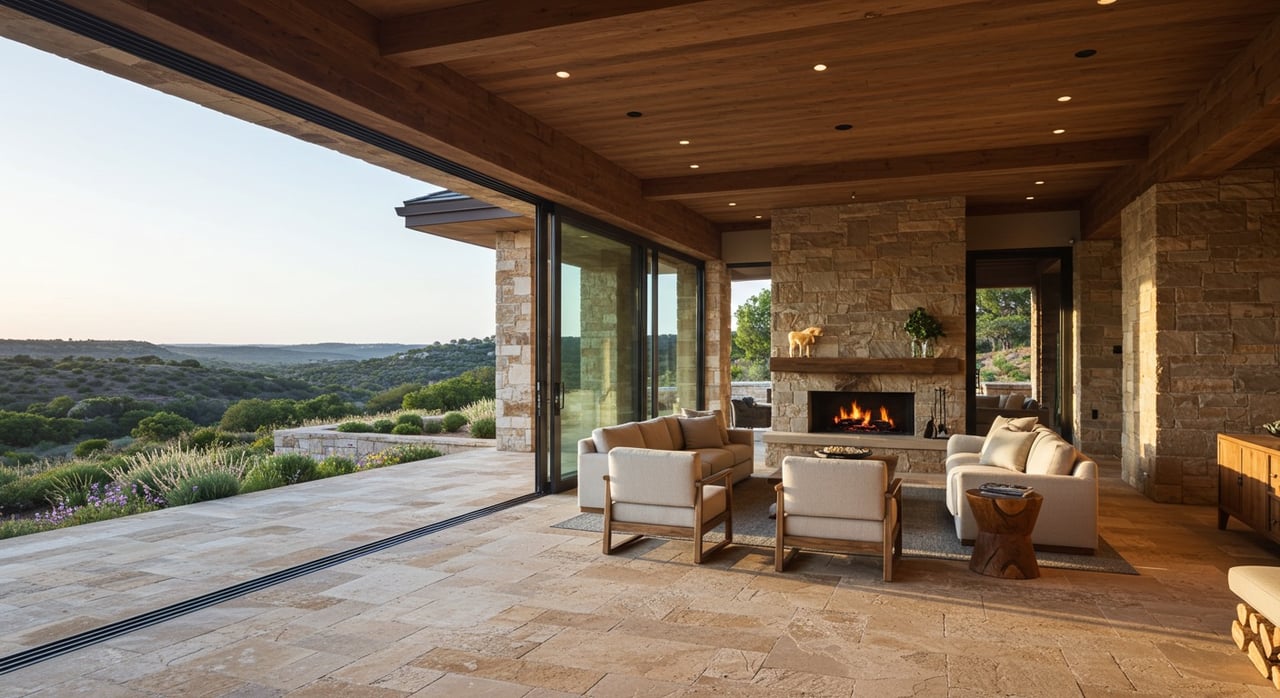
Building a custom home in Austin offers a rare opportunity: the chance to design interiors that reflect both your personal aesthetic and the distinctive character of the Texas Hill Country. Unlike purchasing an existing property where you inherit someone else's choices, custom home construction allows you to shape every material, finish, and spatial relationship from the ground up.
Interior design for Austin custom homes requires a thoughtful approach that balances timeless elegance with regional authenticity. The most enduring design choices draw inspiration from the landscape itself, incorporating natural materials, maximizing connections to the outdoors, and creating spaces that feel both luxurious and grounded. What follows explores the interior design principles that define exceptional custom homes throughout the Greater Austin area, from Lakeway and Spicewood to West Lake Hills and beyond.
Why Austin Custom Homes Demand a Regional Design Approach
Austin sits at the intersection of Hill Country terrain, a subtropical climate, and a culture that prizes both innovation and authenticity. These factors shape interior design in ways that generic trends from coastal or northern markets simply cannot address. A custom home here must respond to intense summer sun, mild winters that invite year-round outdoor living, and a landscape defined by limestone outcroppings, live oaks, and sweeping vistas.
The most successful interiors honor this context. Rather than importing design sensibilities wholesale from other regions, discerning homeowners work with custom home builders in Austin who understand how to translate Hill Country heritage into contemporary luxury. This means selecting materials that complement the natural surroundings, orienting rooms to capture views and natural light, and designing floor plans that blur the boundaries between indoor and outdoor spaces.
Regional design is not about limitation; it is about intention. When your interiors feel connected to their setting, they achieve a sense of permanence and authenticity that trendy, placeless design cannot replicate.
Natural Materials That Define Hill Country Interiors
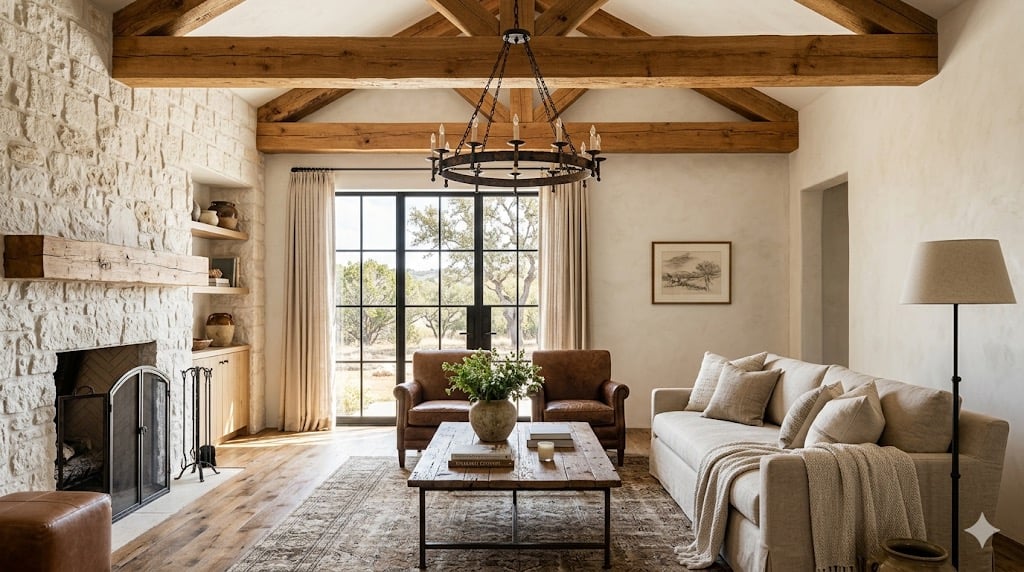
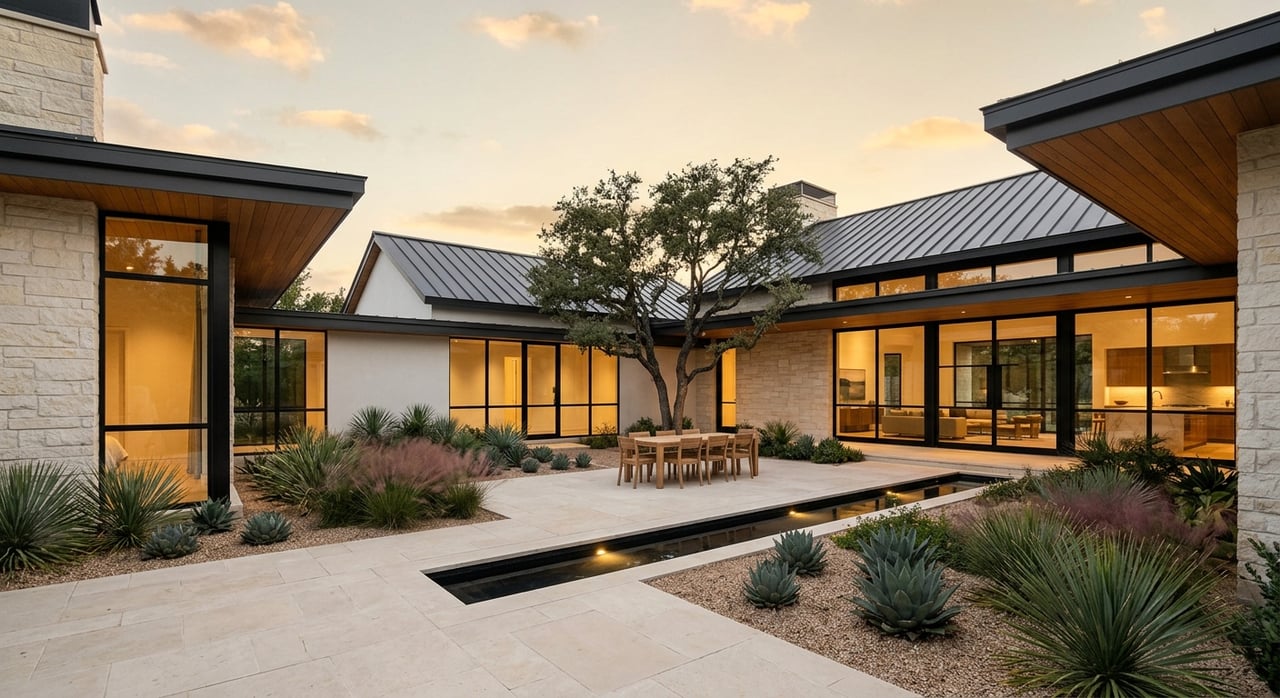
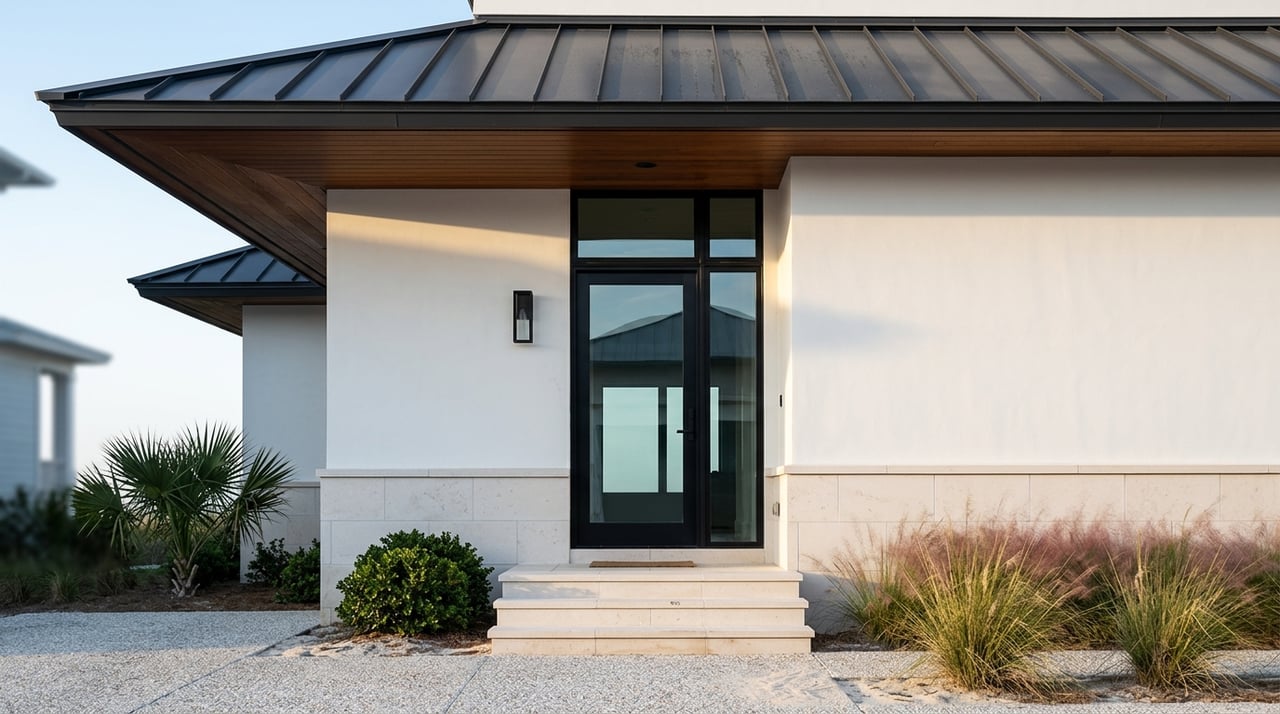
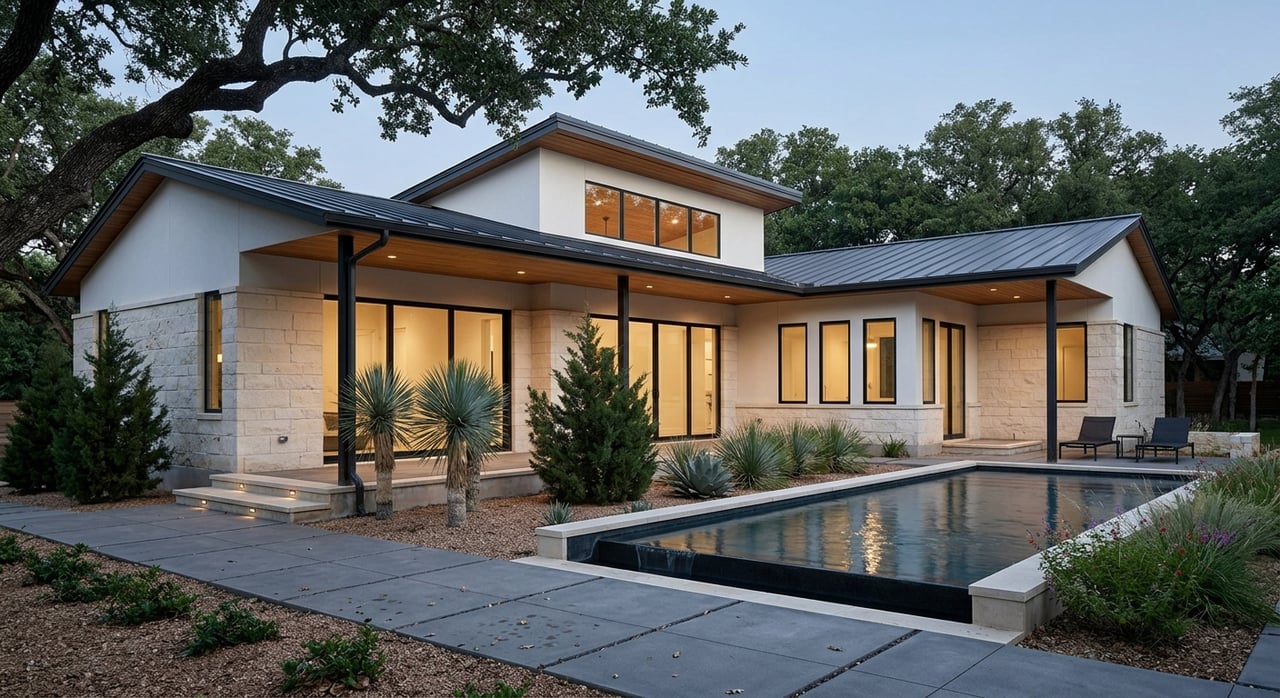
The Hill Country's geology and building traditions offer a rich palette of materials that have defined the region's architecture for generations. White Texas limestone, readily available throughout Central Texas, creates a striking visual foundation both inside and out. Used on accent walls, fireplace surrounds, and kitchen islands, stacked limestone brings texture and warmth while connecting your interior to the landscape visible through every window.
Wood plays an equally essential role. Exposed ceiling beams, whether rough-hewn reclaimed timber or hand-finished oak, add vertical interest and a sense of craftsmanship to living spaces. Dark woods like walnut and mesquite create contrast against lighter stone and plaster, while lighter species like white oak bring warmth without heaviness. The key is authenticity: real wood with visible grain, natural imperfections, and tactile warmth performs differently than synthetic alternatives, both visually and experientially.
Beyond stone and wood, Hill Country interiors often incorporate elements like hand-troweled plaster walls, wrought iron accents that nod to the region's German and Spanish heritage, and natural fiber textiles including linen, wool, and cotton. These materials age gracefully, developing character over time rather than simply wearing out.
Indoor-Outdoor Integration: Designing for Year-Round Texas Living
With more than 300 days of sunshine annually, Austin's climate practically demands that custom homes dissolve the barrier between interior and exterior spaces. This goes beyond simply adding a back patio; true indoor-outdoor integration requires architectural intention from the earliest design phases.
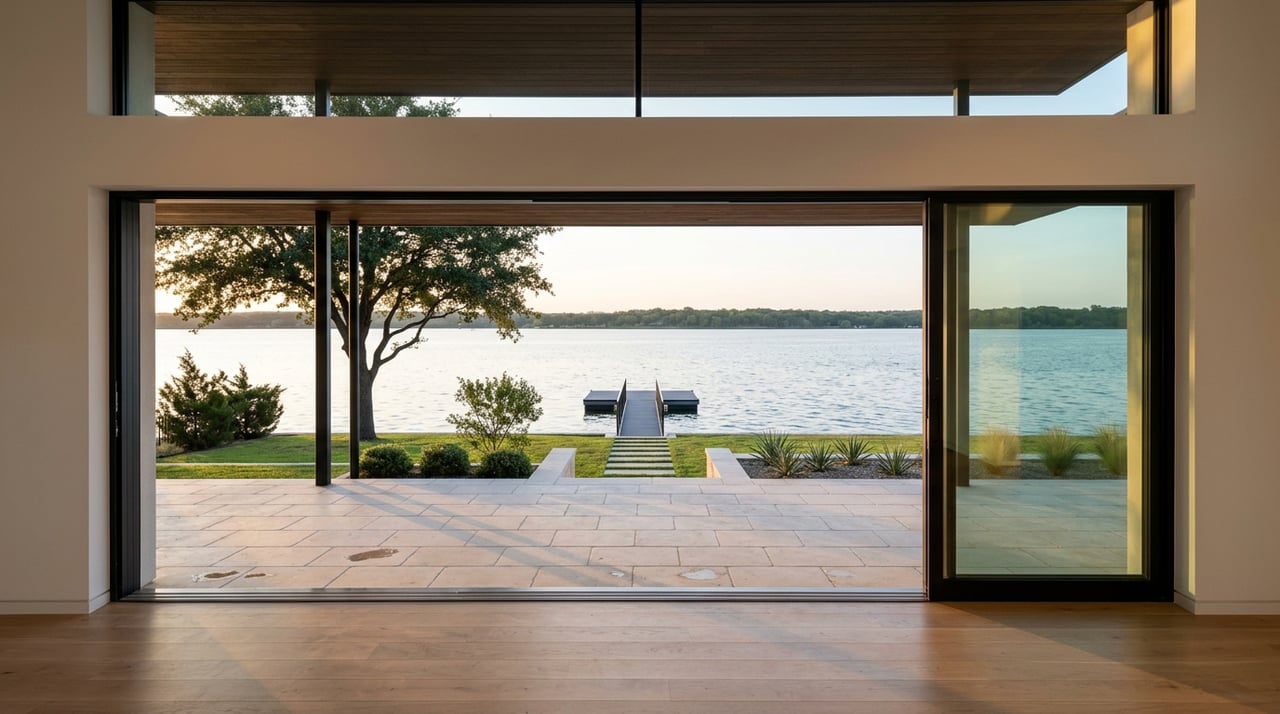
Floor-to-ceiling glass walls, particularly multi-slide or pocket door systems, allow entire walls to open onto covered terraces and outdoor living spaces. When closed, these glass expanses frame Hill Country views like living artwork; when open, they extend your living room, dining area, or primary suite directly into the landscape. Strategic window placement throughout the home captures natural light while managing heat gain through proper orientation and shading.
Material continuity strengthens this connection. Using the same flooring material, whether natural stone or wood-look porcelain, from interior spaces through to covered outdoor areas creates visual flow that makes both spaces feel larger. Ceiling treatments, lighting schemes, and even furniture styles can carry through to covered porches and pavilions, creating true outdoor rooms rather than afterthought patios.
Biophilic Design: Bringing Nature Inside Your Custom Home
Biophilic design, the practice of incorporating natural elements to strengthen our connection to the living world, has evolved from niche concept to foundational principle in luxury home design. Research consistently demonstrates that spaces with natural materials, abundant daylight, and living greenery reduce stress, improve focus, and enhance overall wellbeing.
In Austin custom homes, biophilic principles take many forms. Maximizing natural light through clerestory windows, skylights, and thoughtfully positioned glazing reduces reliance on artificial lighting while connecting occupants to the rhythm of the day. Living walls and strategically placed indoor plants introduce color, texture, and air-purifying benefits. Even the materials discussed earlier, authentic wood, natural stone, and organic textiles, contribute to biophilic design by providing the tactile variety and visual richness our brains associate with natural environments.
Water features, whether a subtle fountain in an entry courtyard or an interior water wall, add another sensory dimension. The sound of moving water masks unwanted noise while creating a calming atmosphere that transforms your home into a genuine sanctuary from the outside world.
Earth Tones and Warm Color Palettes
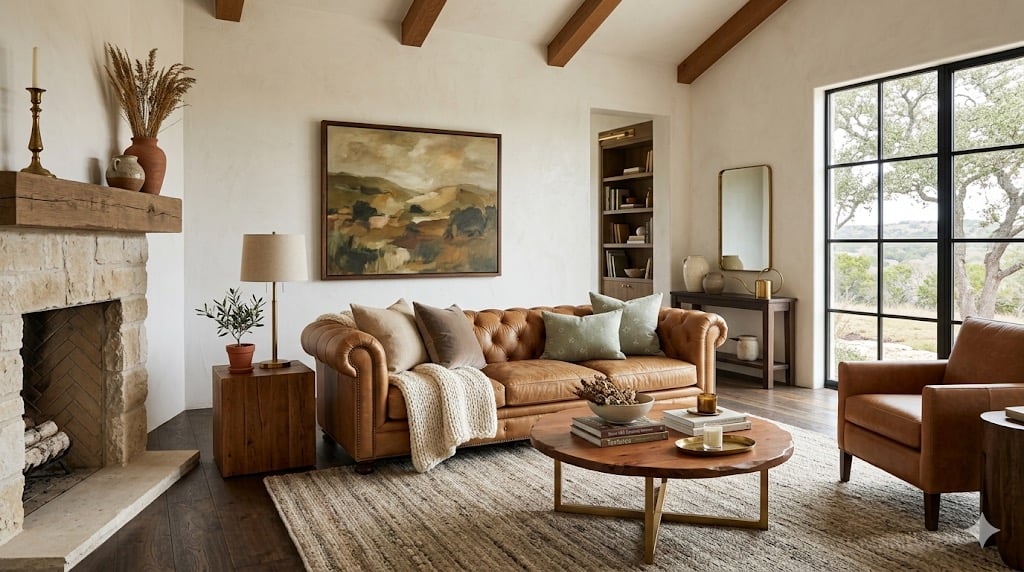
Color trends in luxury interiors have shifted decisively toward warm, nature-inspired palettes that complement rather than compete with Hill Country views. Cool grays and stark whites, while still appropriate in certain contexts, have given way to richer, more grounded tones that create inviting, comfortable spaces.
Warm neutrals, from creamy whites and sandy beiges to deeper taupe and clay tones, establish versatile backdrops that work with the limestone and wood prevalent in regional architecture. Soft sage greens and muted blue-greens bring organic color without overwhelming, while terracotta and rust accents add warmth and visual interest. These earth-derived hues age well, avoiding the dated appearance that more trend-driven colors often acquire within a few years.
The approach to applying color has evolved as well. Rather than using bold accent walls, many designers now favor tonal layering, combining different values of related hues within a single space for depth and sophistication. A living room might layer warm white walls with a camel leather sofa, cognac wood tones, and brass accents, creating richness through texture and material variation rather than high-contrast color blocking.
Flexible Spaces and Multi-Functional Rooms
The way we use our homes has fundamentally changed. Remote work, multigenerational living, and evolving lifestyle priorities have elevated flexible spaces from nice-to-have to essential. Custom home design now routinely incorporates rooms that can adapt to changing needs without requiring renovation.
Dedicated home offices with proper soundproofing, integrated technology, and natural light have become standard in luxury builds. These spaces demand the same design attention as formal living areas, with custom millwork, quality finishes, and thoughtful lighting that supports productivity while maintaining aesthetic cohesion with the rest of the home. For those considering updates to existing properties, home remodeling services can transform underutilized spaces into functional home offices or flex rooms.
Beyond offices, flex rooms serve countless purposes: guest suites that double as exercise studios, media rooms that convert to homework zones, or craft spaces that host overflow holiday guests. The key is designing these rooms with the infrastructure to support multiple uses, appropriate electrical capacity, flexible lighting schemes, and storage solutions that accommodate different configurations.
Artisanal Details and Handcrafted Finishes
Mass-produced finishes cannot replicate the character that handcrafted elements bring to luxury interiors. Artisanal details, from custom millwork and bespoke cabinetry to handmade tiles and one-of-a-kind lighting fixtures, distinguish exceptional homes from merely expensive ones.
Custom millwork, including built-in bookcases, paneled walls, and architectural trim, adds layers of detail that elevate every room. These elements should be designed as integral parts of the architecture, not afterthoughts. A wine room with temperature-controlled storage integrated into custom cabinetry, a primary closet with handcrafted organization systems, or a kitchen with furniture-quality island details all demonstrate the difference between cookie-cutter construction and true custom building.
Tile selection offers another opportunity for artisanal expression. Handmade ceramic tiles, zellige tiles with their characteristic variation, and custom mosaics bring texture and individuality to kitchens, bathrooms, and accent walls. Statement lighting fixtures, whether antique finds, local artisan creations, or commissioned pieces, serve as functional sculpture that anchors rooms and reflects personal taste. Working with a design-build approach ensures these details are coordinated throughout the home rather than selected piecemeal.
Smart Home Technology That Stays Invisible
Technology should enhance daily life without cluttering it. The most sophisticated smart home systems operate invisibly, automating lighting, climate, security, and entertainment without requiring visible equipment or constant interaction. This philosophy of discreet integration has become essential to luxury custom home design.
Whole-home automation systems can orchestrate scenes that adjust lighting temperature throughout the day, raise and lower motorized shades based on sun position, and maintain optimal temperatures room by room. Dedicated equipment rooms house servers, network infrastructure, and control systems out of sight, while flush-mounted keypads and voice activation eliminate the need for visible technology throughout living spaces.
Pre-wiring during construction is essential. Running conduit and low-voltage cabling before walls close allows for future upgrades without invasive renovation. Even if you choose not to fully automate immediately, building in the infrastructure preserves flexibility for technologies that do not yet exist. Browse our portfolio to see how technology integration enhances luxury custom homes throughout the Austin area.
Frequently Asked Questions
How do I choose interior finishes that will remain timeless rather than trendy?
Focus on quality materials with inherent beauty: natural stone, real wood, and handcrafted elements that develop character over time. Reserve trend-driven choices for easily replaceable items like paint colors, textiles, and accessories. Work with designers who understand the difference between enduring elegance and passing fads.
Should I match my interior design to a specific Hill Country style?
Rather than rigidly adhering to one aesthetic, consider which Hill Country elements resonate with your lifestyle. Traditional Hill Country homes emphasize limestone and dark wood; contemporary interpretations might incorporate these materials with cleaner lines and more glass. The goal is authenticity to your preferences while respecting regional context.
How important is natural light in Austin custom home design?
Extremely important. Austin's abundant sunshine is an asset that should be captured and controlled. Strategic window placement, skylights, and proper orientation maximize daylight while managing heat gain. Well-designed lighting plans supplement natural light for evening hours and overcast days.
What interior materials work best for homes with significant outdoor living spaces?
Materials that can transition between indoor and outdoor use create visual continuity. Large-format porcelain tiles that mimic natural stone, durable wood species rated for exterior use, and weather-resistant fabrics allow design themes to flow from interior rooms through covered outdoor areas.
How do I incorporate smart home technology without dating my interior design?
Choose systems with minimal visible hardware. Motorized shades with hidden mechanisms, flush-mounted keypads, voice-activated controls, and dedicated equipment rooms keep technology invisible. Build in infrastructure during construction so future upgrades do not require visible retrofits.
Can existing Austin homes incorporate these design trends through remodeling?
Many trends adapt well to renovation projects. Opening walls to improve indoor-outdoor flow, replacing flooring with natural materials, updating lighting for better daylight integration, and adding smart home infrastructure can transform older homes. A qualified builder can assess which updates your home can accommodate.
About Seven Custom Homes
Seven Custom Homes has been creating luxury custom residences throughout the Greater Austin area since 2007. With over $500 million in completed projects spanning Hill Country estates, lakefront retreats, and contemporary masterpieces, Seven Custom Homes brings unmatched expertise to every interior design decision. Our integrated design-build approach ensures that architectural vision, interior selections, and construction execution work in harmony from concept through completion.
Start Designing Your Austin Custom Home
Ready to explore interior design possibilities for your custom home project? The team at Seven Custom Homes guides clients through every selection, from foundational materials to finishing details, ensuring your residence reflects both your personal aesthetic and the best of Hill Country design. Contact our team at (512) 662-1349 to discuss your vision and discover how we can bring it to life.