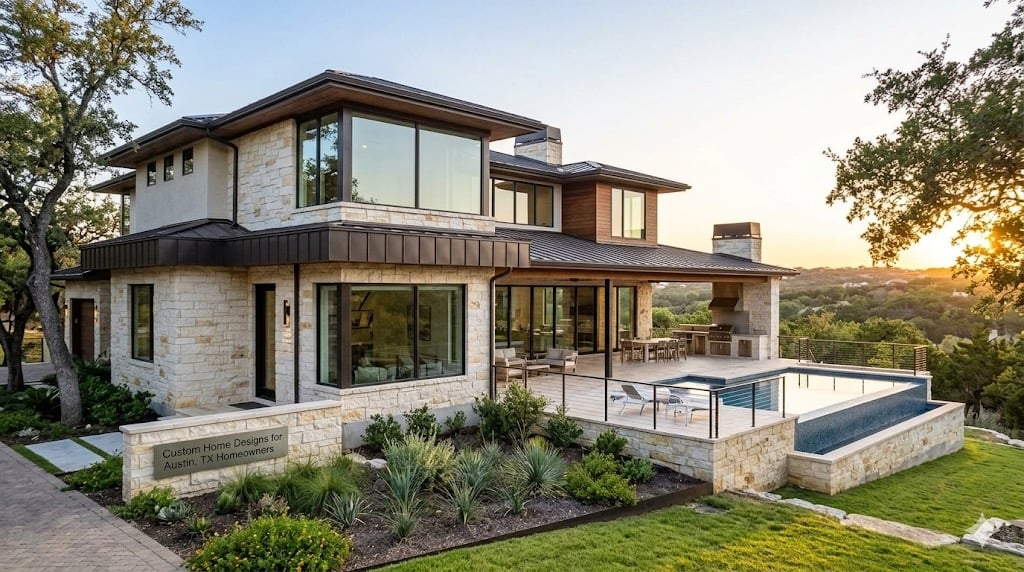
Building a custom home in Austin, TX is one of the most personal and rewarding investments you can make. Every decision, from the placement of a window to the texture of a countertop, reflects who you are and how you want to live. At Seven Custom Homes, the design process is treated as a true craft, one that balances your vision with the practical realities of construction, site conditions, and budget. Understanding how custom home designs come together, from the earliest concept sketches through the final coat of paint, helps homeowners make better decisions and feel confident every step of the way.
Austin's rapid growth and diverse neighborhoods mean that no two custom homes are the same. Whether you're planning a modern hill country retreat in Lakeway, a transitional family home near Circle C, or a sleek urban build close to the Domain, the design process sets the tone for everything that follows.
Starting With Vision: The Concept and Programming Phase
The foundation of any great custom home design is a clear understanding of what you need and what you want. Before a single line is drawn, the design team works with you to develop what's often called a "program", a detailed list of spaces, priorities, and lifestyle requirements.
During this phase, questions like these shape the direction of the design:
-
How do you use your home daily? Open-plan living for entertaining versus defined rooms for privacy will lead to very different floor plans.
-
What architectural styles appeal to you? Texas hill country, contemporary, craftsman, and Mediterranean are all popular in Austin.
-
What are your must-haves versus nice-to-haves? A home office, a butler's pantry, a media room, or a mother-in-law suite each carry design and budget implications.
-
How does the site influence the design? Sloped lots, mature trees, views, and solar orientation all affect how a home can be positioned and laid out.
This phase is more than a wish list. It's a strategic exercise that prevents costly changes later and ensures the final design truly serves your family.
Developing the Floor Plan: Function Before Form

With a clear program in hand, the custom home building process moves into floor plan development. This is where spaces start to take shape on paper, or more commonly today, on screen using advanced design software.
A well-designed floor plan does much more than fit rooms together. It considers:
-
Traffic flow: How you move through the home from entry to kitchen to bedroom should feel natural and efficient.
-
Zoning: Quiet zones (bedrooms, offices) are separated from active zones (kitchen, living, playrooms) to reduce noise and conflict.
-
Natural light: Window and door placement affects how light moves through the home at different times of day.
-
Structural logic: Walls, beams, and load paths must be coordinated so the design is buildable without excessive cost.
-
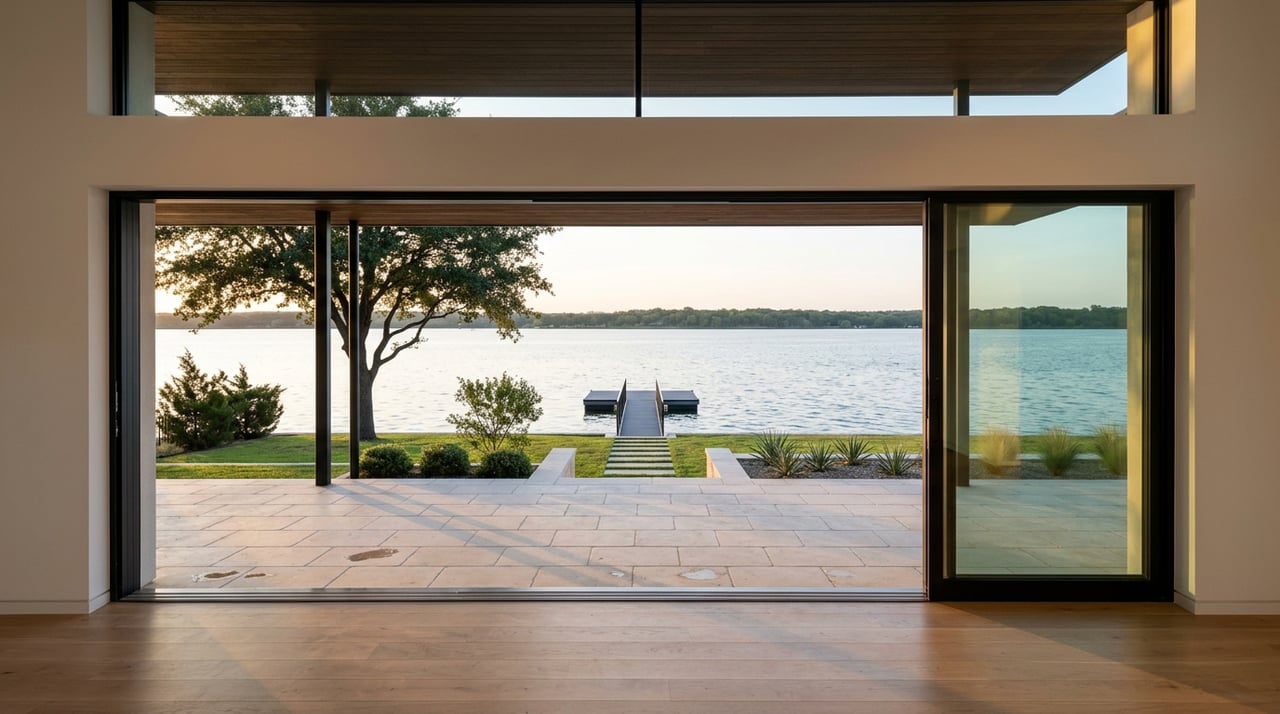
Outdoor connection: Austin's climate makes indoor-outdoor living a priority. Covered patios, sliding glass walls, and pool access often drive floor plan decisions.
Revisions at this stage are normal and expected. Most families go through several iterations before landing on a plan that checks all the boxes. Taking the time here pays dividends throughout the entire custom home building process.
Elevations and Architecture: The Home's Exterior Identity
Once the floor plan is set, exterior elevations are developed to give the home its architectural character. This is where the home begins to look like something, not just a diagram, but a real structure with a face.
Elevations define:
-
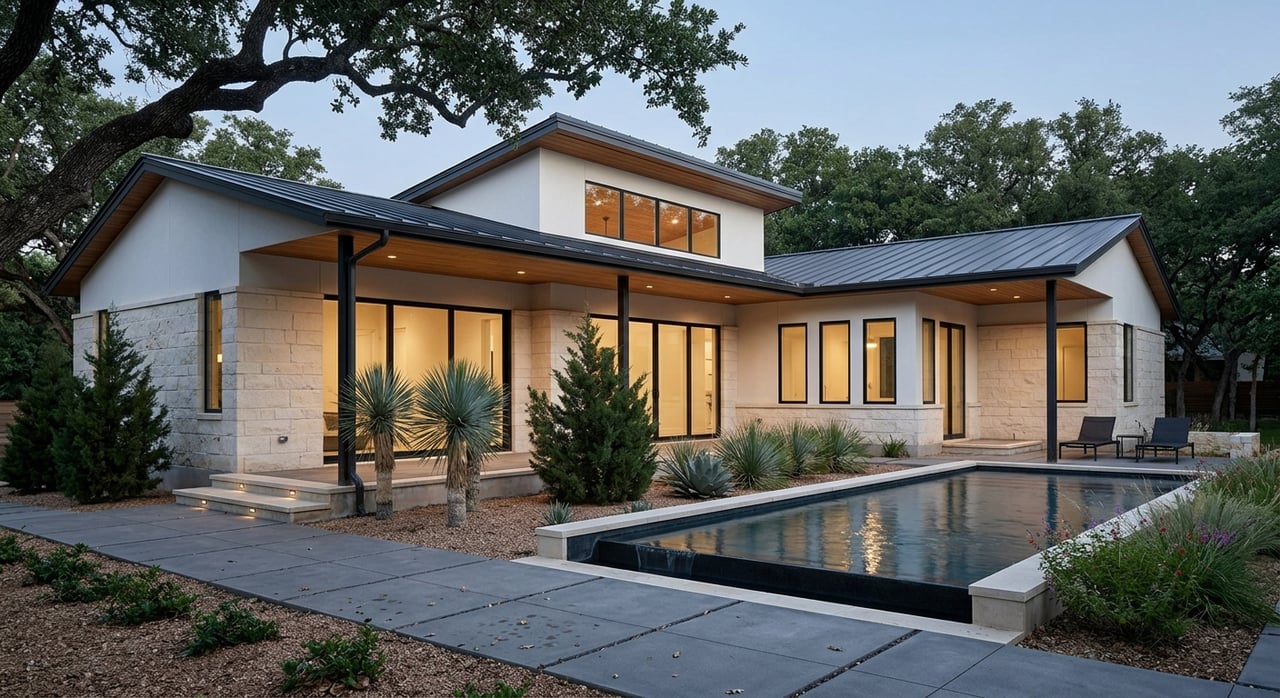
Roof forms: Pitch, style (gable, hip, shed, flat), and overhangs affect both aesthetics and performance in Austin's sun and rain.
-
Facade materials: Limestone, brick, stucco, metal panels, and cedar siding are all common in Central Texas builds.
-
Window patterns: The size, shape, and arrangement of windows ties the exterior to the interior floor plan.
-
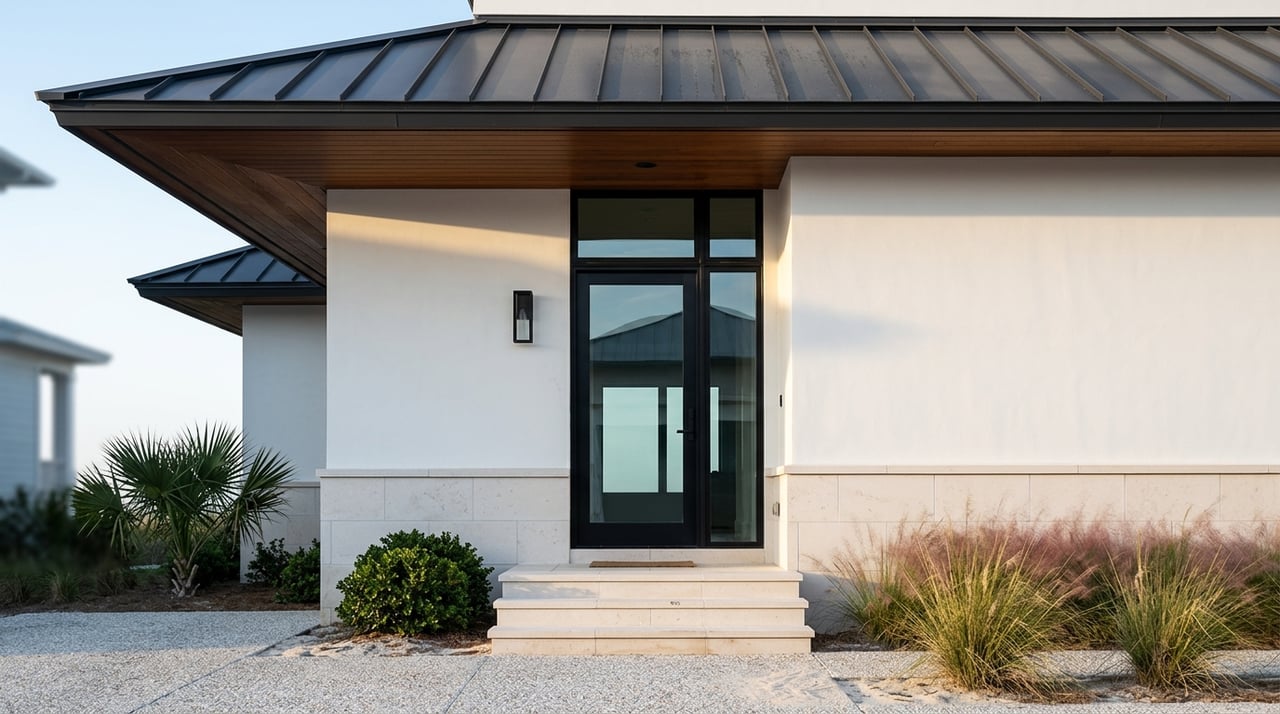
Entry design: The front door, porch, and approach set the tone and curb appeal of the entire home.
For homeowners pursuing luxury home construction, elevation design often involves custom architectural details like decorative brackets, arched openings, board-and-batten accents, or standing seam metal roofs that elevate the home's visual presence.
Interior Design and Finish Selections
The interior design phase is where many homeowners feel the most excitement and the most overwhelm. The number of decisions is staggering: flooring materials, cabinetry styles and finishes, countertop materials, tile patterns, hardware, lighting, paint colors, and much more.
A structured selection process helps keep things manageable:
-
Flooring: Wide-plank hardwood, large-format tile, and polished concrete are popular in Austin custom homes. Each carries different cost, maintenance, and aesthetic considerations.
-
Cabinetry: Custom cabinetry allows for unique configurations and finishes. Semi-custom options offer flexibility at a more accessible price point. Hardware choices complete the look.
-
Countertops: Quartzite, quartz, marble, and granite each have distinct characteristics in terms of durability and visual appeal. Costs can range significantly based on material and slab size.
-
Tile and backsplash: The kitchen backsplash and bathroom tile selections often become focal points. Handmade, patterned, and large-format tiles are all trending in Austin interiors.
-
Plumbing fixtures: Matte black, brushed nickel, and unlacquered brass are popular finish choices. Consistency across the home creates a cohesive look.
-
Lighting: Layered lighting design, ambient, task, and accent, transforms how a home feels at night and requires coordination with electrical planning early in the build.
For luxury home construction projects, finish selections often include statement elements: waterfall-edge islands, fluted cabinet panels, ceiling detail work, wine rooms, and spa-like primary bathrooms with heated floors.
Coordination Between Design and Construction
One of the most important, and often underappreciated, aspects of custom home design is how closely the design team must work with the construction team. Design decisions have real cost and schedule implications, and the best outcomes happen when both sides communicate clearly from the start.
This coordination covers:
-
Structural engineering: Steel beams, cantilevers, and large open spans require engineering input that affects both cost and timeline.
-
MEP rough-in: Mechanical, electrical, and plumbing systems need to be planned before walls close. This is when lighting locations, outlet placement, and HVAC zoning are finalized.
-
Subcontractor input: Tile setters, cabinetry installers, and millwork teams often need to review design details to flag any installation challenges before work begins.
-
Allowances vs. selections: Homes built with allowances for certain items (like light fixtures or appliances) require homeowners to make those selections before the affected phases of work begin.
A builder who integrates design and construction management, like the team at Seven Custom Homes, can streamline this coordination and reduce the risk of costly surprises mid-build.
The Austin Market: Design Trends and Local Considerations
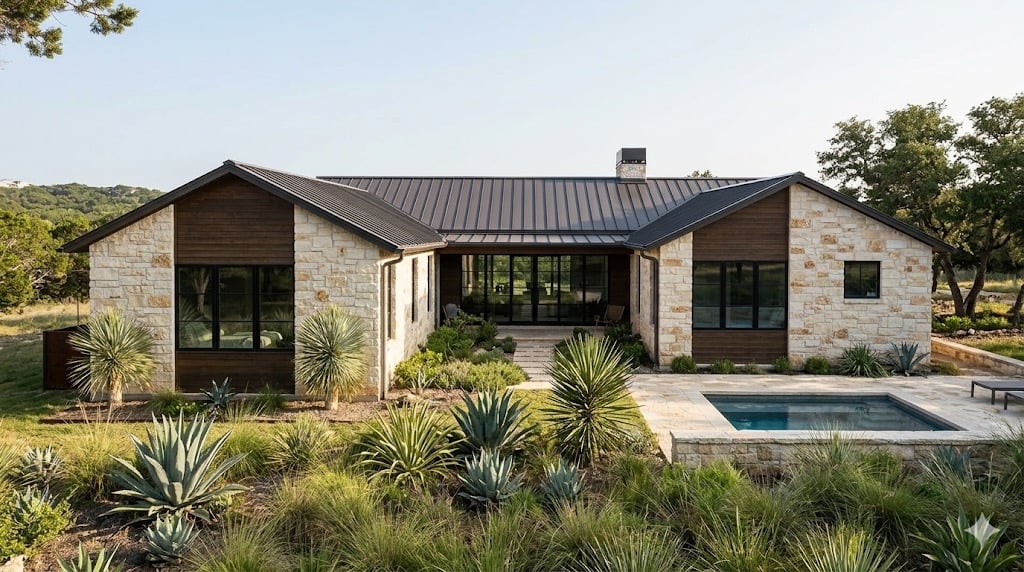
Austin's custom home market has its own distinct character. Homeowners here tend to prioritize indoor-outdoor living, energy efficiency, and designs that respond to the Texas climate. A few trends stand out:
-
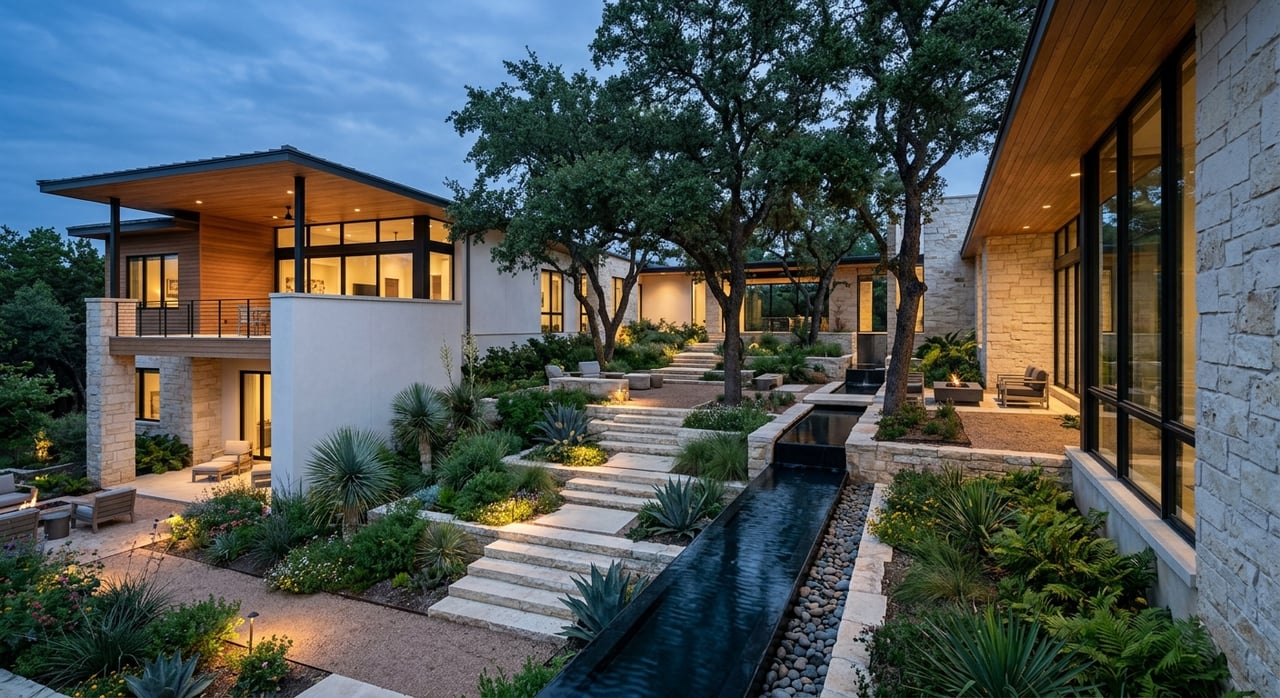
Hill country modern: Clean lines, natural stone, steel windows, and warm wood tones are defining a generation of Austin custom homes.
-
Biophilic design: Bringing nature indoors through large windows, natural materials, and plant integration is increasingly requested.
-
Multigenerational planning: Guest suites, casitas, and separate living areas are popular as families plan for aging parents or returning adult children.
-
Sustainability: Solar-ready designs, spray foam insulation, high-efficiency HVAC, and low-VOC finishes reflect Austin's environmentally conscious culture.
-
Smart home integration: Pre-wiring for automation, whole-home audio, and security systems is now a standard expectation in the custom build space.
Understanding these trends helps homeowners make informed decisions and ensures the home will hold its value in Austin's competitive real estate market.
Frequently Asked Questions
What is the typical timeline for the design phase of a custom home in Austin?
The design phase typically takes three to six months, depending on the complexity of the project and how quickly decisions are made. More detailed or larger homes may take longer. Starting early and staying responsive to design questions helps keep the process on track.
How much do custom home designs cost in Austin, TX?
Design fees can range widely based on the scope of work, the size of the home, and the level of detail required. Architectural and interior design services for a custom home may typically represent a percentage of the overall construction budget. It is best to discuss fee structures directly with your design team early in the process.
Can I make changes to the floor plan after construction begins?
Changes after construction starts are possible but can be costly and may delay the schedule. Structural changes, in particular, require engineering review and can affect multiple trades. The best approach is to finalize the floor plan thoroughly before breaking ground.
What should I look for when reviewing custom home designs?
Focus on how the layout fits your daily lifestyle, not just how it looks on paper. Walk through the plan mentally, check that traffic flow makes sense, that bedrooms have privacy, and that spaces like the kitchen and laundry are positioned conveniently. Also look at how the design responds to your specific lot and orientation.
How does the site affect the custom home design process?
The site has a major influence on design. Lot size, slope, tree locations, views, and setback requirements all shape what is possible. In Austin's hill country areas, steep lots may require pier-and-beam foundations or multi-level designs. A good design team will analyze the site early and incorporate those constraints into the concept.
Do I need a separate interior designer, or is that included with the builder?
This varies by builder. Some custom home builders include interior design coordination as part of their services, while others work with independent interior designers. Clarifying this upfront helps ensure a smooth process and prevents gaps in coverage for finish selections.
Ready to Start Designing Your Austin Custom Home?
The path from floor plan to finishes is complex, but with the right team guiding the process, it can also be one of the most rewarding experiences of your life. Every detail, from the sweep of a staircase to the grain of a wood floor, is an opportunity to create a home that is truly yours.
Seven Custom Homes specializes in bringing custom home visions to life across Austin and the surrounding areas. Their team manages the full scope of custom home building, from initial design through final walkthrough, with the craftsmanship and communication that the process demands. To learn more or schedule a consultation, call (512) 662-1349 today.
About Seven Custom Homes
Seven Custom Homes is a luxury custom home builder serving Austin, TX and the surrounding areas, with over a decade of experience creating bespoke residences tailored to each client's vision. From architectural design and permitting through construction management and post-build support, the team handles every phase with precision, craftsmanship, and transparent communication.
With more than 200 families served, Seven Custom Homes brings deep knowledge of Austin's terrain, neighborhoods, and building requirements to every project. Services span custom home building, luxury home construction, and home remodeling, all guided by a commitment to exceptional quality and lasting value.
Explore the portfolio at sevencustomhomes.com or call (512) 662-1349 to schedule a private consultation.