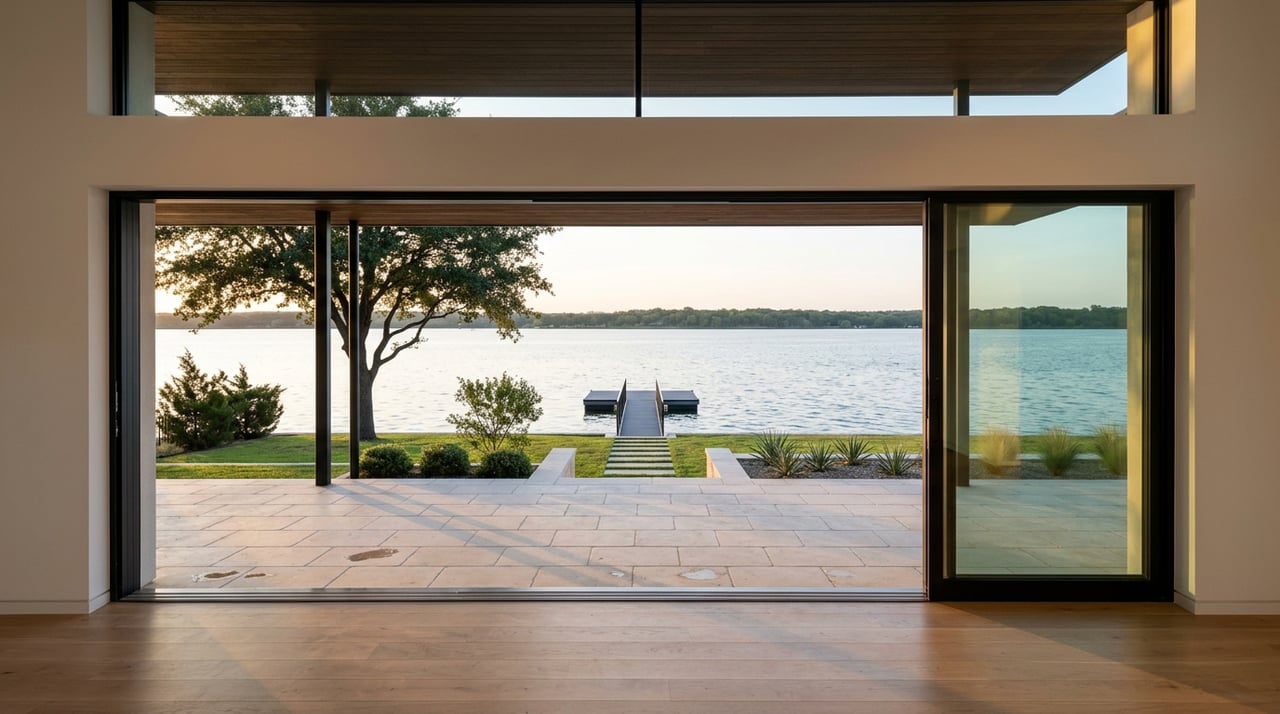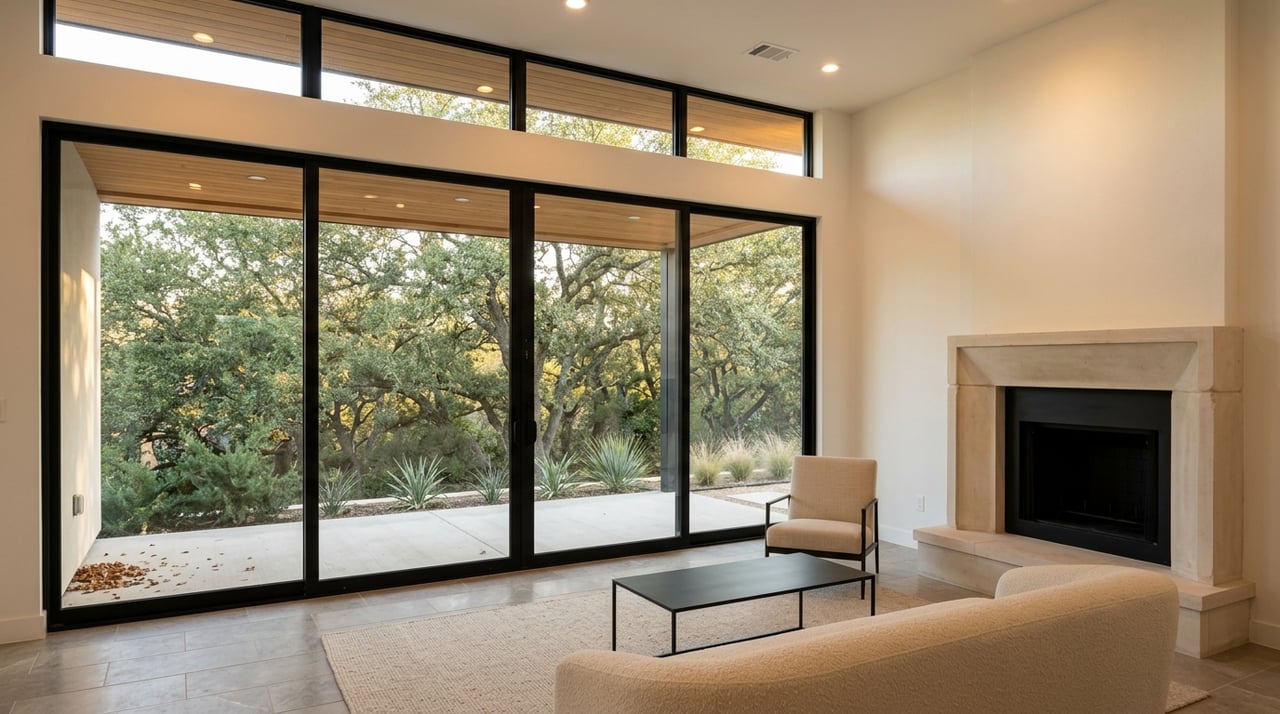

Dreaming of lake life with resort-style convenience and a neighborhood that stays beautiful over time? If you are exploring homesites at The Reserve at Lake Travis, you are likely weighing what master-planned living really means for your day-to-day. You want a clear picture of amenities, HOA expectations, costs, and how to do smart due diligence before you buy. This guide breaks it down in plain language so you can decide with confidence. Let’s dive in.
Master-planned living, defined
A master-planned community is a large, coordinated neighborhood designed and managed as one integrated place to live. You typically see consistent design standards, shared amenities, and long-term stewardship through an association. In the Lake Travis area, master-planned communities also lean into the setting with outdoor recreation, scenic open space, and, when available, lake access features.
The goal is a curated lifestyle and predictable environment. Architectural guidelines, amenity centers, trails, and community programming all work together so you enjoy the area without managing everything yourself.
What it looks like at The Reserve
The Reserve at Lake Travis fits the Lake Travis model of a high-amenity, design-controlled neighborhood. While specifics change over time, you can expect an organized approach to architecture, maintenance, and lifestyle features. Always confirm the current amenity list, access rules, and dues with the HOA or management.
Amenity mix to verify
- Waterfront options: look for private docks, launch areas, swim access, or lakeside parks if your homesite is near the reservoir. Confirm whether access is owner-only and how boat slips are assigned or rented.
- Clubhouse and pools: review hours, guest policies, and whether there is reserved event space.
- Active recreation: check for fitness facilities, tennis or pickleball courts, and multiuse courts.
- Trails and green space: ask about trail maps, park rules, and any dog areas.
- Security features: verify if gates, patrols, or cameras are in place and how they are staffed and funded.
- Community events: request recent calendars to understand the social rhythm and whether programming is included in dues or billed separately.
Services and maintenance
- HOA-covered items typically include common-area landscaping, amenity upkeep, and entry features. Review the operating budget to see service levels.
- Homeowner responsibilities usually include your lot’s landscaping and exterior upkeep. Ask if landscape service can be added for a fee.
- For waterfront infrastructure, clarify who maintains docks, slips, and shoreline protections and how costs are shared.
How HOA governance works
Your daily experience is shaped by governing documents and the association’s management quality. Key documents include the CC&Rs, bylaws, rules and regulations, and architectural guidelines. An Architectural Review Committee typically oversees exterior changes to keep the neighborhood cohesive.
Texas Property Code Chapter 209 sets many record-keeping and owner-rights rules for associations. Management may be handled by a professional company or self-managed by the board. Either way, you should review minutes and budgets to understand priorities and service standards.
Key documents to read
- Current CC&Rs, bylaws, and rules
- Architectural guidelines and application process
- Current operating budget and most recent financials
- Latest reserve study and funding policy
- Meeting minutes from the past 12–24 months
Dues, reserves, and assessments
Regular assessments fund ongoing operations and amenities. Special assessments can occur for unexpected repairs or capital improvements. A current reserve study is a positive sign because it shows planned replacement for big-ticket assets like pools or roads. Ask about the history of increases, any pending projects, and insurance coverage for common areas and the board.
Texas items: MUDs and taxes
Many suburban communities use Municipal Utility Districts to finance water, sewer, drainage, and sometimes roads. A MUD levies its own property tax and user fees, which are separate from county, city, and school taxes. Verify whether a lot in The Reserve is inside a MUD and get the current tax rate, bond debt, and recent bond elections.
Sources for verification include the Texas Commission on Environmental Quality, local MUD offices, and the Travis County Appraisal District. Your title company and lender can help confirm all taxing entities for a specific parcel.
Total cost and budgeting
Beyond the purchase price, plan for ongoing ownership costs. Building a full monthly picture helps you decide whether the amenities and services align with your priorities.
Quick cost formula
- Total monthly housing cost = mortgage + HOA dues + MUD taxes and fees (if applicable) + property taxes + utilities + homeowners insurance + any flood insurance.
- Consider HOA dues as a share of your overall budget. Ask whether amenities and service levels justify the cost for your lifestyle.
- If the association has pending litigation or unusually high assessments, check with your lender on underwriting implications.
Pros and tradeoffs to weigh
- Pros: Predictable standards, resort-style amenities, strong community programming, and lower personal maintenance on common areas. Well-managed amenities can support resale appeal.
- Tradeoffs: Ongoing dues, rules for exterior changes and storage, potential limits on short-term rentals, and the possibility of special assessments or fee increases over time.
Smart questions to ask first
- What exactly is covered by dues, and how often are they adjusted?
- Are there any planned capital projects or known repairs that could trigger a special assessment?
- How are boat slips or lake access managed, and what are the costs or waitlists?
- What are the rules for boats, trailers, and RVs on property?
- Are short-term or long-term rentals permitted, and do they require registration?
- What is the process for exterior approvals and typical review timelines?
Due diligence checklist
Request these items from the seller, HOA, or management before you commit:
- CC&Rs, bylaws, rules, and architectural guidelines
- Operating budget, financials, and latest reserve study
- Board meeting minutes for the last 12–24 months
- History of special assessments in the past 5 years
- Association insurance certificates, including D&O coverage
- Management contract summary and fee structure
- Litigation disclosures and any pending claims
- Amenity rules, guest policies, and any separate membership fees
- MUD reports, tax rate, and utility fee schedules if applicable
Professional checks to consider:
- Title and tax search for liens and all taxing entities
- Survey and flood zone determination using current FEMA maps
- Insurance estimates, including flood if near shoreline or in a special flood hazard area
- Lender pre-approval that accounts for HOA dues and any unique underwriting items
- Legal review if there is active litigation or complex bond financing
Lakefront specifics to consider
Near Lake Travis, floodplain and shoreline dynamics matter. Ask for elevation data and review FEMA flood maps for your specific lot. If a homesite is close to the water, discuss erosion controls and any permitting that could affect docks or shoreline improvements. Getting clear on these factors early helps you avoid surprises later.
Building your custom home at The Reserve
If you plan to design and build, align your homesite choice with architectural guidelines, view corridors, and utility considerations. A senior-led, integrated design-build team can coordinate lot evaluation, architectural planning, permitting, selections, and construction so your project stays on track.
Seven Custom Homes focuses on hill-country and lakefront estates, combining craftsmanship with an AI-enabled project governance platform for schedule and cost transparency. You get a single accountable partner from early site walks to final delivery.
Ready to explore a custom build that fits master-planned living at The Reserve? Talk with David Lyne to start your custom home consultation.
FAQs
What is a master-planned community near Lake Travis?
- A master-planned community is a large, coordinated neighborhood with shared amenities, design standards, and long-term association management tailored to outdoor and lake-oriented living.
Which amenities are typically included at The Reserve?
- Expect a Lake Travis-style mix such as clubhouse and pools, trails, recreation courts, and potential lake access; verify the current list, rules, and fees with the HOA.
How do HOA dues and special assessments work in Texas?
- Regular dues fund operations and amenities; special assessments can be levied for unexpected repairs or capital projects, so review budgets, reserve studies, and past assessment history.
What is a MUD and how could it affect my taxes?
- A Municipal Utility District finances infrastructure and can levy its own property tax and utility fees, which you should add to your total ownership budget if your lot is inside a MUD.
Are short-term rentals allowed at The Reserve?
- Rental policies vary by association; ask for the current rules, any registration requirements, and minimum lease terms before you buy.
How can I estimate my total monthly cost at The Reserve?
- Add mortgage, HOA dues, property taxes, any MUD taxes and utility fees, plus insurance and expected utilities to build a realistic monthly number.