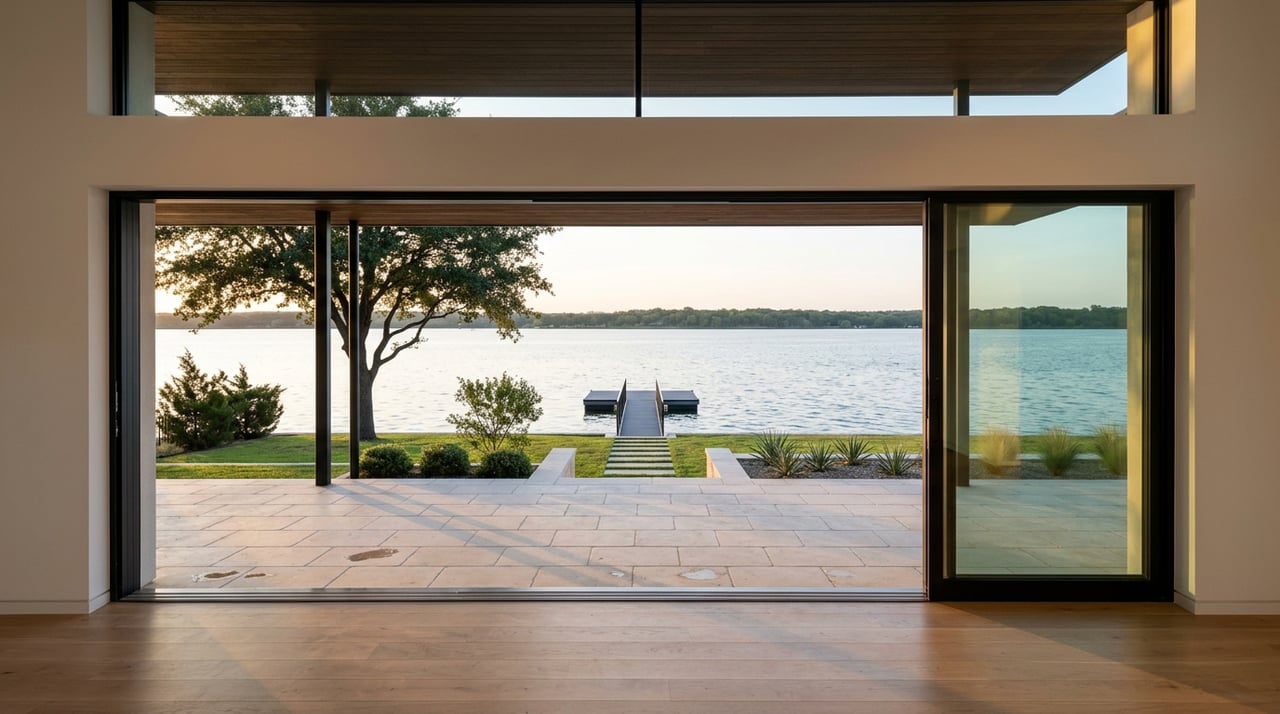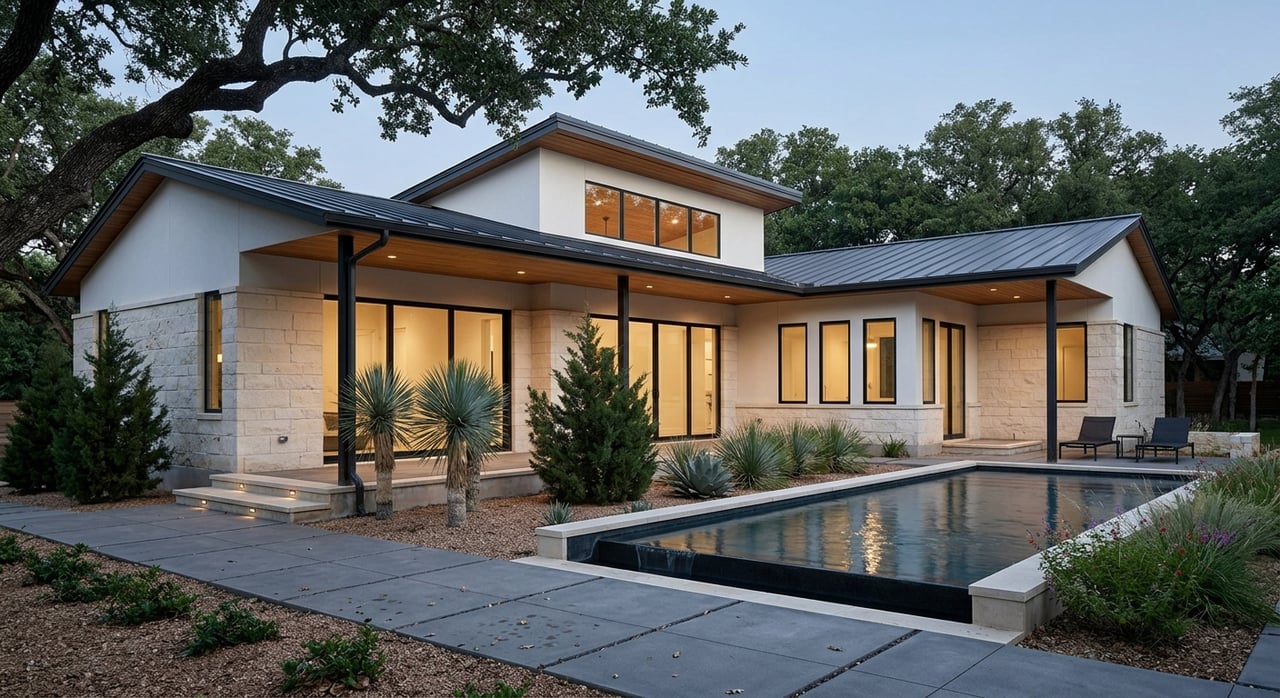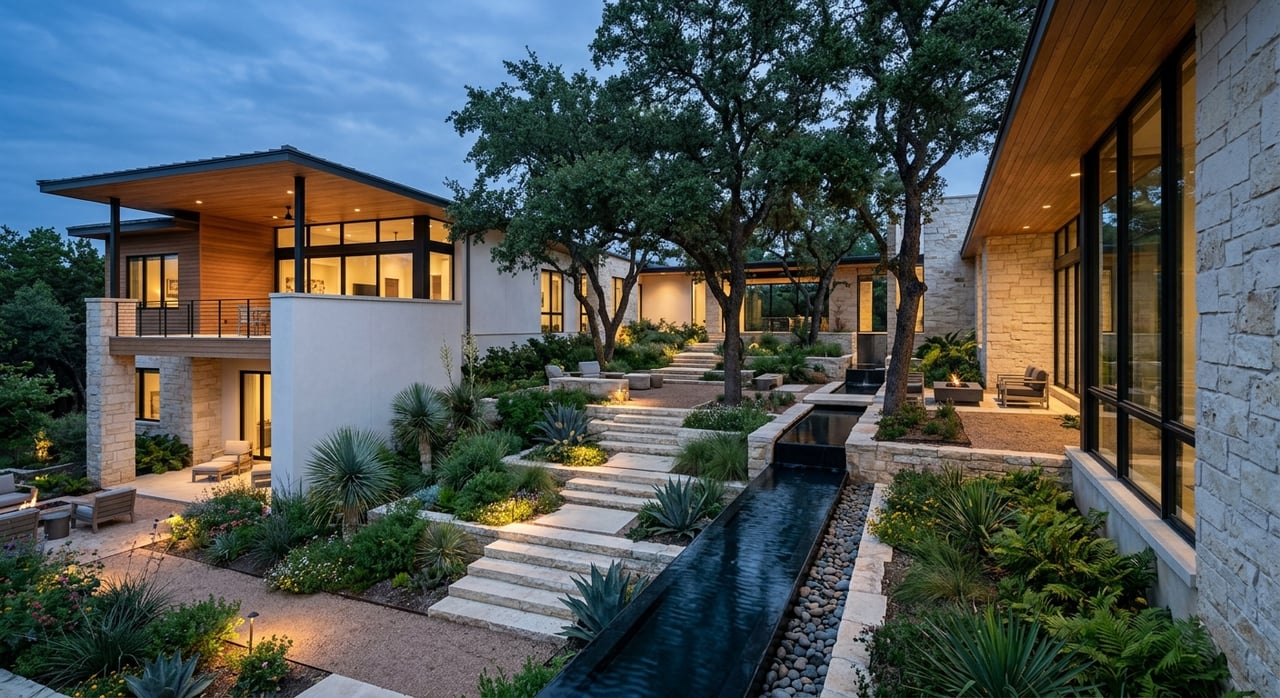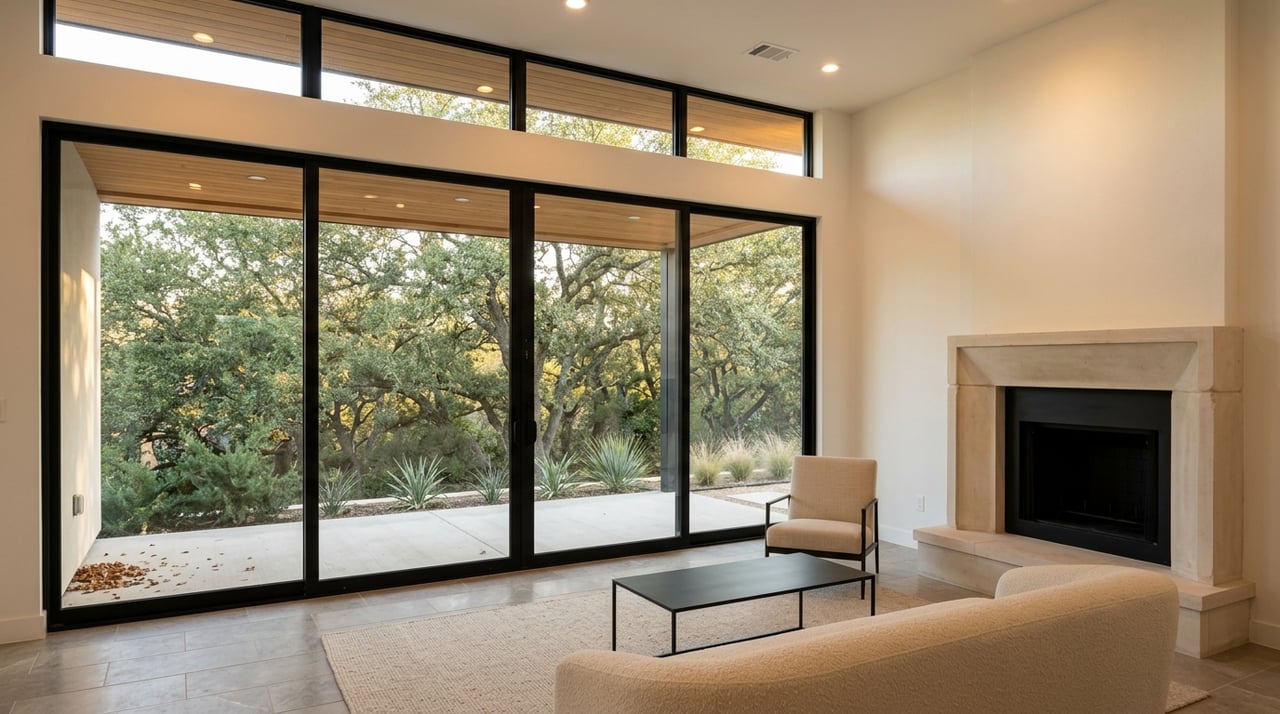
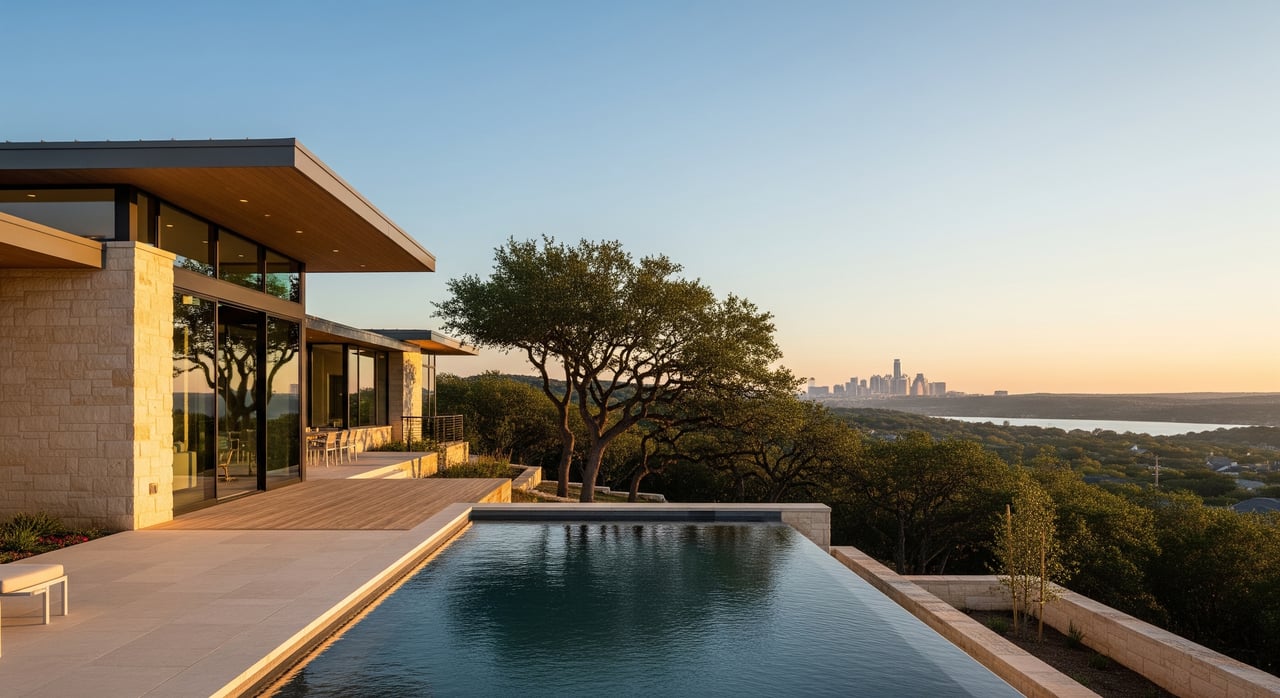
Imagine waking up to tree‑filtered light, birdsong, and a hill‑country breeze, then being downtown in minutes when you want a night out. If you are weighing a move to Austin and crave space, privacy, and views without losing city access, West Lake Hills often lands at the top of the list. In this guide, you will learn how everyday life here compares with central Austin, including schools, commute, lots and privacy, dining, and services. Let’s dive in.
Where West Lake Hills fits
West Lake Hills is a small, incorporated city just west of central Austin on the edge of the Texas Hill Country. The terrain is hilly with mature oak trees, rocky outcrops, and winding roads that follow natural contours. The setting feels quiet and residential with limited commercial areas and a low population compared with central Austin. Many homes sit tucked under tree cover with glimpses of the skyline or the hills.
The city’s footprint spans only a few square miles. Most of the land is residential, so you get a suburban or even semi‑rural vibe rather than a dense urban feel. That balance is a big reason many high‑net‑worth buyers choose West Lake Hills when relocating to Austin.
Homes and lots overview
The housing stock is dominated by single‑family homes, including custom builds, architect‑designed residences, and a mix of mid‑century homes alongside recent luxury rebuilds. Many properties sit on larger‑than‑typical urban lots, ranging from about a half acre to multi‑acre estates. Hillside settings, limestone, and tree cover shape the look and privacy of each site.
West Lake Hills is one of the most expensive residential markets in the Austin region. Typical buyers should expect upper‑tier pricing compared with central Austin, with many listings in the seven‑figure range and a meaningful share in the multi‑million‑dollar segment. Scarcity also plays a role. Limited land and topographic constraints keep supply tight, and properties with big views, larger acreage, or lake access often command a premium.
Lot character and buildability
Expect irregular parcels, slopes, heritage trees, and unique driveway alignments. These features create privacy and drama, but they also shape buildable envelopes and design choices. If you plan to remodel or build, it is wise to understand hillside development rules, tree protection, and setbacks early. Larger or lower‑density parcels may use private septic or wells, so confirm utility connections for any address you are considering.
It is also smart to review drainage features and check floodplain maps near creek corridors or Lake Austin. Finally, verify the property tax profile for any high‑value home. West Lake Hills tax bills typically include Travis County, Eanes ISD, and municipal components. Knowing the full levy breakdown helps you plan with confidence.
Schools and education
West Lake Hills is served by Eanes Independent School District. The district is widely regarded as one of the highest‑performing public systems in the Austin area and across Texas. Many buyers cite academic outcomes, arts and athletics, and strong college matriculation as reasons to choose the area.
If schools matter to you, confirm exact attendance zones for a specific property. While most of West Lake Hills feeds into Eanes ISD, individual campuses depend on your address and feeder patterns. The Austin area also offers a number of private schools, with proximity varying by campus.
Commute and mobility
You are a short distance from downtown in miles, but travel time depends on the clock. Peak hours can add delay, while midday and weekends are usually quick. Main routes include Loop 360, Bee Cave Road, Scenic Drive, and connections to MoPac. For most residents, a car is the practical way to get around. Public transit options are more limited here than in central Austin.
Reaching Austin–Bergstrom International Airport is straightforward by highway. Plan for roughly 20 to 40 minutes depending on time of day and route.
Daily errands and services
Walkability is lower than in central neighborhoods. You will drive for most errands, though destinations are close. Groceries, pharmacies, and restaurants cluster along Bee Cave Road and in nearby hubs such as the Hill Country Galleria area. Expect 10 to 20 minutes for most everyday needs depending on where you live in West Lake Hills.
Utilities vary by parcel. Some addresses connect to city utilities while others rely on local or regional providers. Larger lots may use private septic or wells, so it is essential to verify systems during due diligence. Internet options are generally strong in developed areas, with fiber and cable available in many locations. As an incorporated city, West Lake Hills maintains its own municipal government and services, so confirm police, fire, and EMS coverage for any home you are considering.
Recreation and the good life
Outdoor living is part of the daily rhythm here. Lake Austin offers boating, paddleboarding, and waterfront dining in nearby pockets. The Barton Creek Greenbelt provides quick access to hiking, biking, and swimming holes just a short drive away. Local trailheads, scenic overlooks, and neighborhood green spaces give you easy ways to get outside.
For dining and entertainment, residents often head to West Austin, Bee Cave, or downtown for variety and nightlife. West Lake Hills itself keeps a quieter profile with limited restaurant density. Many owners opt for private entertaining at home, enhanced by pools, outdoor kitchens, and hill‑country views. Social life often connects through private clubs, school communities, philanthropic events, and neighborhood networks.
West Lake Hills vs central Austin
- Privacy and land: West Lake Hills delivers larger lots, mature trees, and a hill‑country setting. Central Austin offers smaller lots with closer neighbors.
- Walkability and nightlife: Central districts like downtown and South Congress are far more walkable and lively. In West Lake Hills, you will drive for most outings and enjoy quieter evenings.
- Schools and family fit: Eanes ISD is a major draw for families and is widely regarded for strong performance. Many central Austin options are diverse and convenient, but performance varies by campus.
- Commute trade‑offs: You are close in miles to downtown, yet peak congestion can stretch drive times. You trade consistent walkability for privacy and space.
If you plan to build or renovate
Hillside properties reward thoughtful planning. Slope, rock, drainage, and mature trees can influence foundation design, retaining walls, and access. Tree preservation and view corridors deserve early study, and steep driveways call for careful parking and garage placement. These realities are not obstacles. They are simply the ingredients of a well‑executed West Lake Hills estate.
A coordinated design‑build partner can streamline the process. Lot evaluation, geotechnical guidance, architectural collaboration, permitting, and selections all benefit from a single accountable team and clear communication. With senior oversight and technology‑enabled project governance, you can make confident decisions and protect your schedule and budget while pursuing an ambitious design.
Smart due diligence checklist
- Test commute times at rush hour and off‑peak from the exact address using your preferred map app.
- Confirm water, sewer, electric, and gas service for the parcel. Note any private well or septic.
- Review city codes for lot coverage, hillside construction, tree protection, and permitting.
- Check for HOA covenants and architectural review rules that may affect remodels or new builds.
- Study drainage, creeks, and any floodplain considerations on or near the site.
- Verify internet options and speeds at the address.
- Request the full property tax breakdown for Travis County, Eanes ISD, and municipal components.
- If rebuilding, budget for potential hillside grading, retaining walls, drainage mitigation, and tree preservation.
Is West Lake Hills a fit for you?
If you value privacy, views, and a refined residential setting close to the city, West Lake Hills offers a compelling lifestyle. You trade some walkability for larger lots, mature trees, and quiet streets. You gain easy access to outdoor recreation and a top‑tier public school district, with downtown a quick drive when the calendar calls for it.
Ready to evaluate a lot, reimagine an existing home, or plan a ground‑up estate in West Lake Hills? Connect with senior leadership and start a streamlined, high‑touch process that respects your time and design goals. Reach out to David Lyne to begin your custom home consultation.
FAQs
What is daily life like in West Lake Hills compared to downtown Austin?
- Expect quieter streets, larger lots, and more driving for errands, with downtown’s dining and nightlife a short drive away.
How long is the commute to downtown from West Lake Hills?
- The distance is short in miles, but peak‑hour traffic can extend drive times; midday and weekends are usually faster.
Which school district serves West Lake Hills?
- Most of West Lake Hills is served by Eanes ISD, which is widely regarded for strong academic performance; confirm campus zones by address.
Are utilities consistent across West Lake Hills homes?
- Utilities vary by parcel; some homes connect to city systems while larger lots may have private septic or wells, so verify service for each address.
Is West Lake Hills walkable for errands and dining?
- Walkability is lower than central Austin; most residents drive 10 to 20 minutes to nearby retail and restaurants along Bee Cave Road or in Bee Cave.
What should I check before remodeling or building on a hillside lot?
- Review slope and drainage, tree protection rules, driveway access, and any hillside construction limits, and plan for geotechnical input early.