
Eyeing a Hill Country tract in Wimberley and wondering what it really takes to build? You are not alone. The landscape is stunning, but the land itself can be complex. In a few minutes, you will understand the key factors that drive buildability, cost, and long‑term stewardship so you can move forward with confidence. Let’s dive in.
What makes Wimberley land unique
Wimberley sits in classic Texas Hill Country terrain: limestone ridges, rolling to steep slopes, and riparian corridors near the Blanco River and Cypress Creek. Each parcel behaves differently, which is why two nearby tracts can have very different paths to a home.
Here is the takeaway: the land’s slope, soils, water, vegetation, and access determine where you can build, what it will cost to prepare the site, and how you maintain it over time.
Read the land before you offer
Topography and slope
Flat benches are the easiest places to build. Moderate slopes can work with terracing, retaining walls, or stepped foundations. Steep slopes require more earthwork and careful access planning.
Driveway grade matters. Long or steep driveways add cost and maintenance and can affect emergency vehicle access. Map likely driveway routes early to avoid surprises.
Bedrock, soils, and karst
Shallow soils over limestone are common. Karst features like solution cavities or sinkholes can exist. These conditions influence excavation and foundation design.
Septic performance depends on soil depth and rockiness. If bedrock is shallow or fractured, standard drain fields may not work. Well yield can vary widely from strong to limited. A site‑specific geotechnical and soils evaluation helps you understand depth to rock, bearing capacity, septic percolation potential, and karst risk.
Flood risk and waterways
Creeks and riverfront areas offer views but can sit near mapped floodplains. Severe Blanco River flooding in recent years shows why flood exposure matters for safety, insurance, and design.
Before you buy, verify the FEMA floodplain status, check local floodplain data with Hays County or the City of Wimberley if relevant, and compare site elevations to the mapped flood levels. An elevation profile or certificate clarifies your risk.
Trees, habitat, and wildfire
Oaks, Ashe juniper, and native grasses define the Hill Country look and help stabilize soil. Many buyers want to preserve mature trees for shade and privacy.
Know your constraints: some towns or HOAs regulate tree removal, and you may need defensible space for wildfire. Endangered‑species habitat can affect approvals if federal permits or funds are involved. An early arborist review helps you protect heritage trees and plan construction zones.
Legal and access essentials
Title, mineral rights, and covenants
In Texas, mineral rights are often severed from surface rights. Confirm whether oil, gas, or other minerals were reserved and how those rights could affect surface use.
Review recorded deed restrictions, covenants, and any POA or HOA rules for building materials, setbacks, tree removal, view preservation, or livestock. If a conservation easement exists, it will limit development. Agricultural‑use valuations can lower taxes but carry eligibility rules and rollback risks.
Easements and access
Access may be via county roads, private roads, or recorded ingress/egress easements. If access is only by easement, scrutinize maintenance obligations, width, and shared cost provisions.
Look for utility or pipeline easements that could cut across a preferred building site. Blanket easements can limit where structures go, so make sure your survey shows them.
Utilities reality check
Rural tracts often rely on a private well and on‑site sewage facility. Municipal water is limited to certain service areas. Electric service is usually available but may require line extensions at your cost.
Broadband and cell coverage vary by site. If you need work‑from‑home speeds, verify coverage now. If propane is your plan, confirm delivery access and storage locations. Plan for septic pumping logistics if the site is remote.
Permits you may need
Depending on location and conditions, you may need:
- Building permit
- Septic/OSSF permit
- Well drilling registration or permit
- Driveway or culvert permit
- Tree or vegetation removal approval if regulated
- Floodplain development permit if applicable
Hays County is the primary authority for septic and many rural permits, while the City of Wimberley applies inside city limits. Check TCEQ guidance where state rules apply.
Design and site planning basics
Siting for views and privacy
Start by identifying your best view corridors. Orient the home to capture ridge or valley views while managing solar exposure and privacy.
Define a building envelope early and map mature trees. This lets you preserve the best specimens and cluster improvements to protect open space.
Driveway, grading, and access
Choose a driveway route with stable grades to limit cut‑and‑fill. Plan culverts where you cross drainage. Confirm emergency vehicle access width and turning radii if standards apply.
Foundations and structure
Shallow limestone and variable soils guide foundation choice. Slab‑on‑grade can work on flats. Pier‑and‑beam or drilled piers often suit slopes or shallow rock. A geotechnical report helps your engineer select the right system and manage risk.
Septic, wells, and utilities in the plan
Place septic fields and reserve areas per setbacks from wells and water bodies. Keep an alternate septic area in the plan in case the primary site is not feasible.
Site the wellhead for easy access and away from septic lines. Route utilities to minimize tree impacts and visual clutter.
Stormwater and erosion control
Steep sites and cut‑and‑fill areas need temporary erosion controls during construction and permanent stabilization after. Consider strategies that maintain natural drainage patterns, like bioswales, rain gardens, or permeable driveways where feasible.
Aesthetics and wildfire readiness
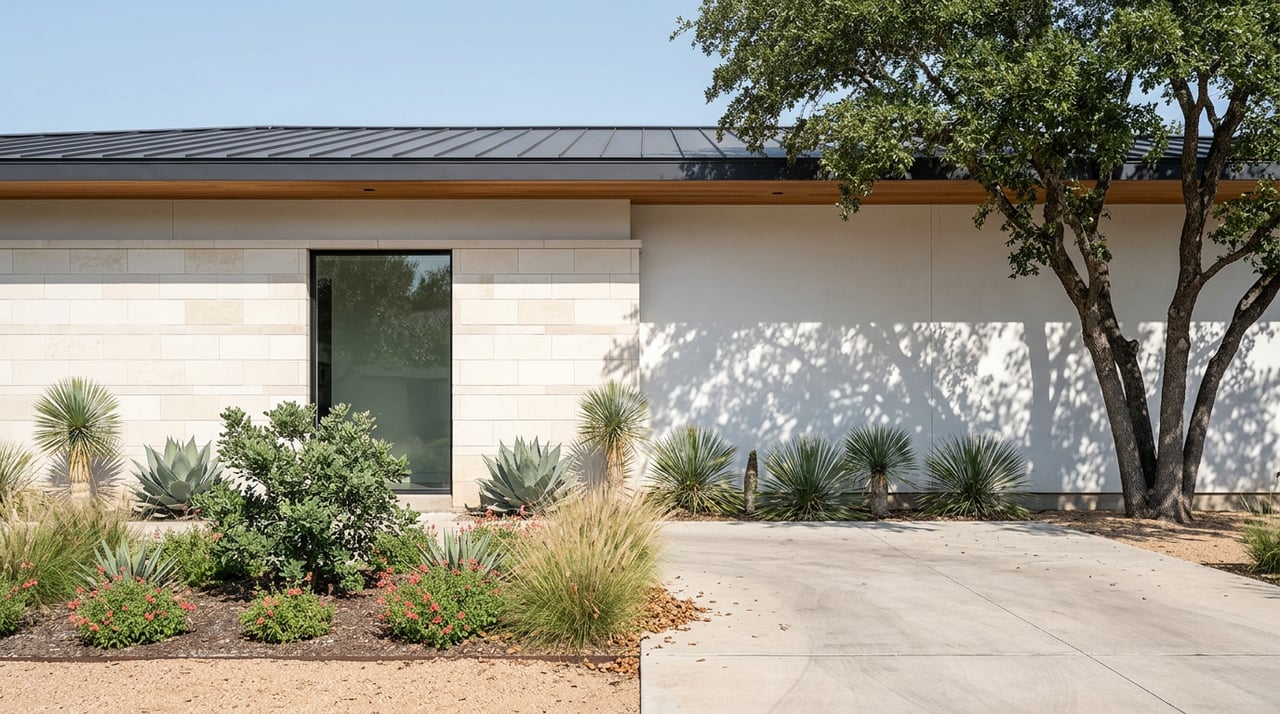
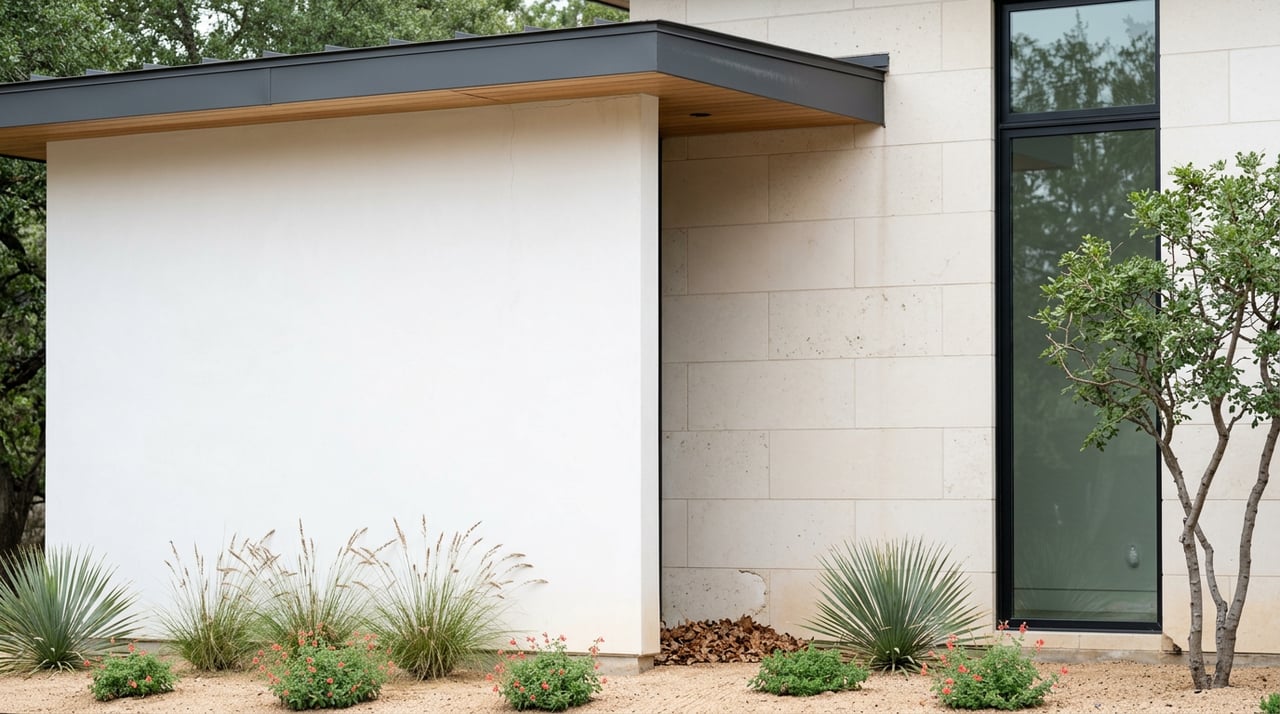
Hill Country homes often use local stone, muted earth tones, and metal roofing. Low‑profile massing and sensitive lighting reduce visual impact. Plan firewise landscaping with a lean, clean, green perimeter and removal of ladder fuels near structures.
Your pre‑offer due diligence checklist
Gather as many of these items as you can before putting money at risk:
- Current deed, title commitment, recorded plat, covenants, and easements
- Recent boundary and topographic survey with contours, trees, structures, and floodplain
- Title and mineral rights review
- Utility availability checks for electricity, water service area, broadband, and garbage service
- FEMA and local floodplain status and any known historical flood data
- Preliminary soils or geotechnical input
- Septic feasibility via a licensed OSSF designer and nearby well log review
- Environmental overlays such as conservation easements or habitat flags
- Access documentation including road maintenance agreements
- Property tax bills, assessments, and any POA fees
Smart contingencies to protect your deal
Consider these common safeguards in your contract:
- Survey and boundary confirmation
- Title approval, including mineral rights
- Septic and well feasibility contingency
- Permit and entitlement contingency
- Environmental and floodplain contingency
- HOA and CC&R review period
Build the right local team
Hill Country sites reward specialists. Engage:
- Real estate attorney or title company for mineral and title issues
- Licensed surveyor for boundary and topo work
- Civil or geotechnical engineer for foundation and site feasibility
- Licensed OSSF designer for septic evaluations
- Licensed well driller or hydrologist for well yield and water quality testing
- Arborist for tree preservation and oak wilt risk
- Local builder and site contractor experienced with Hays County processes
- Land planner or architect for early siting and cost‑range guidance
Timelines and cost drivers
Expect variable timelines for surveys, title work, septic and well evaluations, geotechnical reports, and permits. Build in weeks to months for specialized testing or drilling.
Primary cost drivers after closing often include driveway construction, utility extensions, septic system installation, foundation and excavation, selective clearing and tree protection, and erosion control.
Your next steps
- Review deed, plats, and tax records for your short list of parcels.
- Walk each site more than once, including after rain, to spot drainage and confirm views.
- Order an updated survey with contours and request a title commitment.
- Schedule septic and well feasibility evaluations and a basic geotechnical review.
- Verify utility availability and get line‑extension or service quotes.
- Write offers with clear contingencies that allow time for testing and permit checks.
- Draft a realistic permitting and pre‑construction timeline with your builder and engineer.
Ready to turn the right Wimberley tract into a legacy Hill Country estate? With a single accountable team handling lot evaluation, permitting, design coordination, selections, and construction oversight, you can pursue a complex site with clarity and control. For a high‑touch, senior‑led process that blends craftsmanship with measurable project governance, connect with David Lyne. Contact Our Sales Team to Start Your Custom Home Consultation.
FAQs
What should I check first when evaluating Wimberley land for a custom home?
- Start with slope, access, floodplain status, and septic and well feasibility, then confirm title, easements, and any recorded restrictions.
How do slope and driveway grade affect my budget and timeline?
- Steeper slopes and long drives increase earthwork, retaining needs, and maintenance, and may require design adjustments for emergency access.
Is water guaranteed if I drill a well on a rural tract?
- No; well yield varies by location and geology, so review nearby well logs and plan for professional testing before you commit.
What permits are most likely to slow my project near Wimberley?
- Septic approvals and any floodplain development permits are common pacing items, along with driveway permits and tree regulations where applicable.
How do mineral rights affect my surface use as a buyer?
- If minerals are severed, the mineral owner may hold certain surface rights, so verify reservations and consult title and legal counsel before you proceed.
Can I build close to a creek or the Blanco River for better views?
- Possibly, but mapped floodplains and setbacks often limit siting near waterways, so verify elevations and floodplain status early in due diligence.