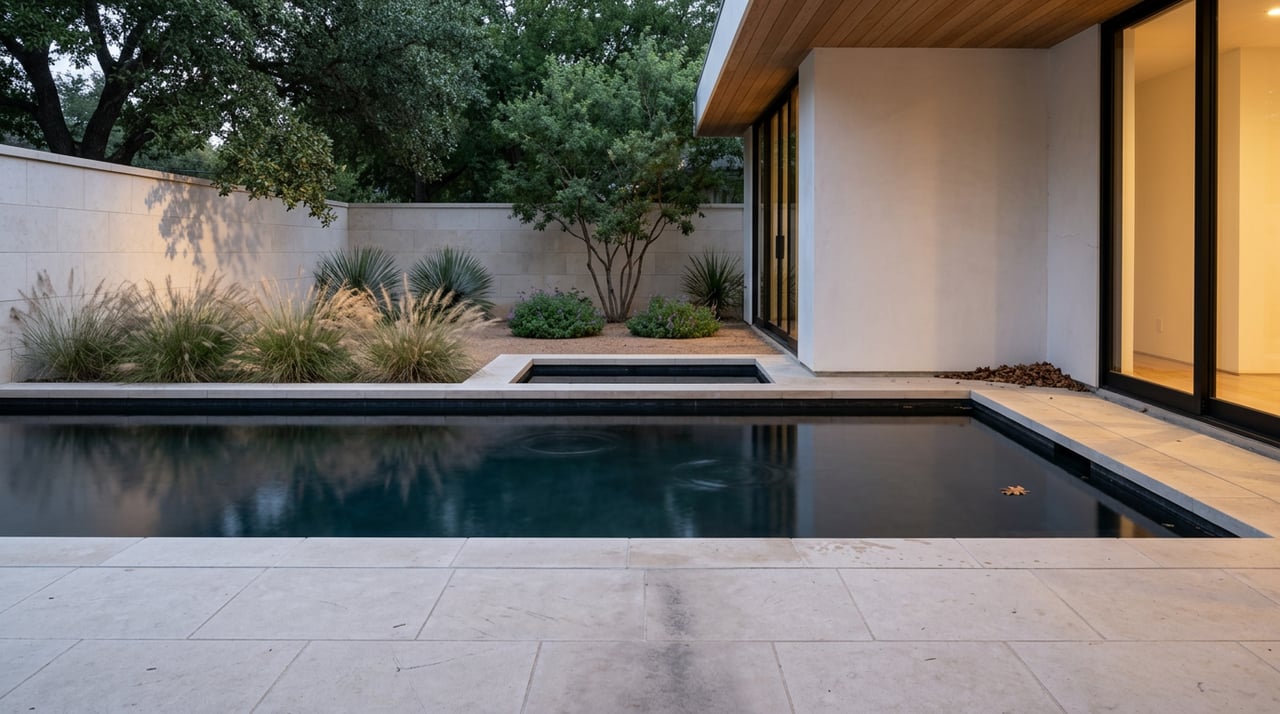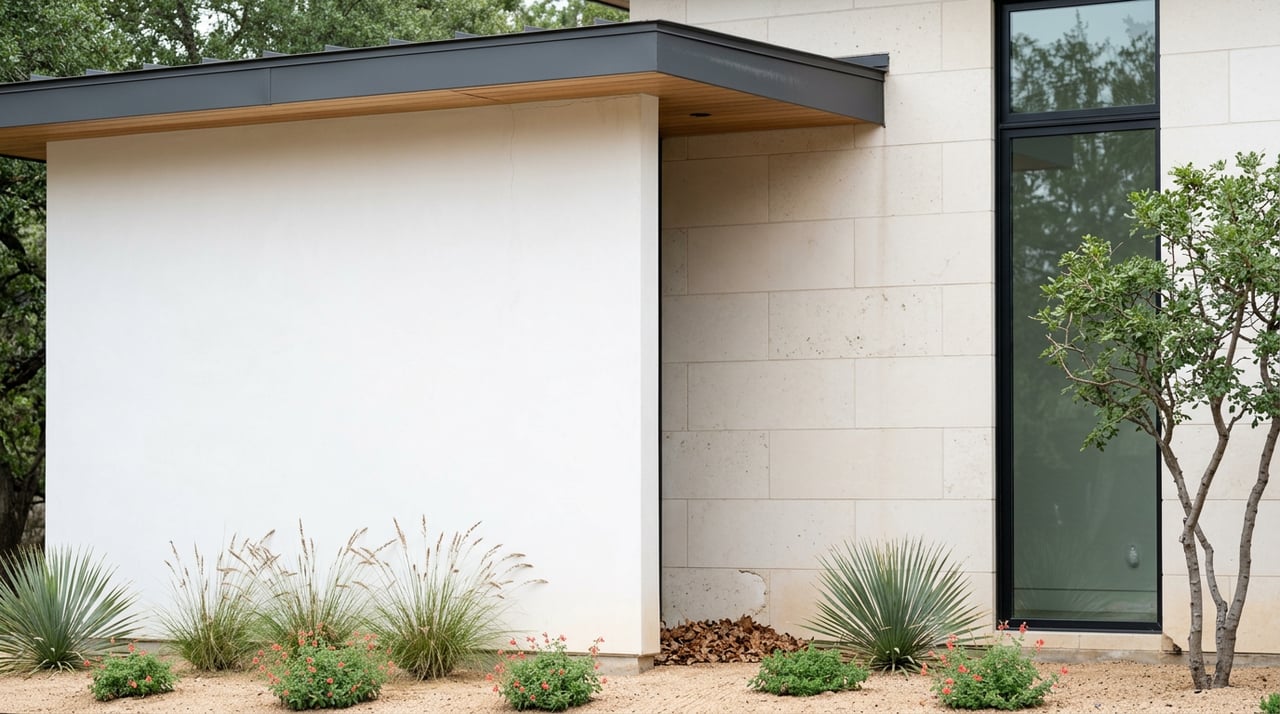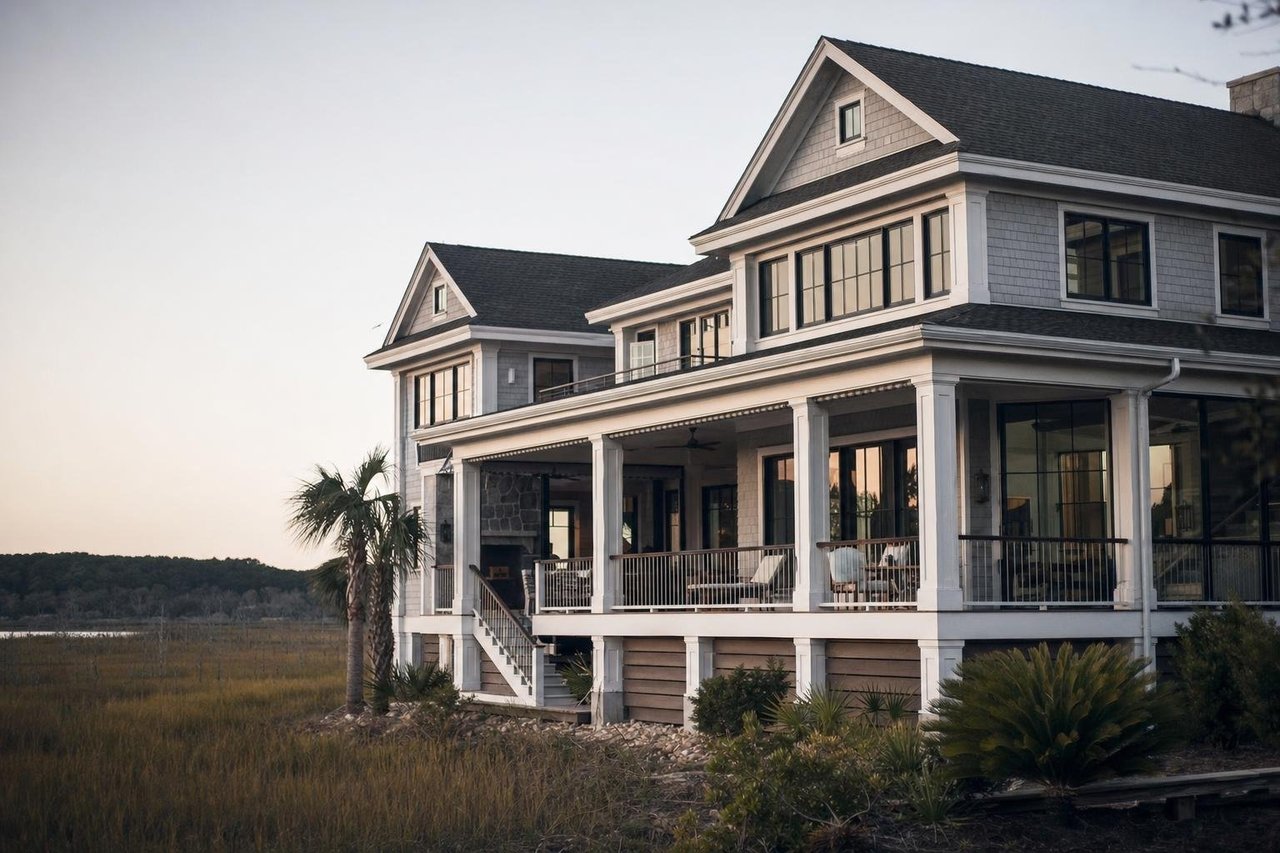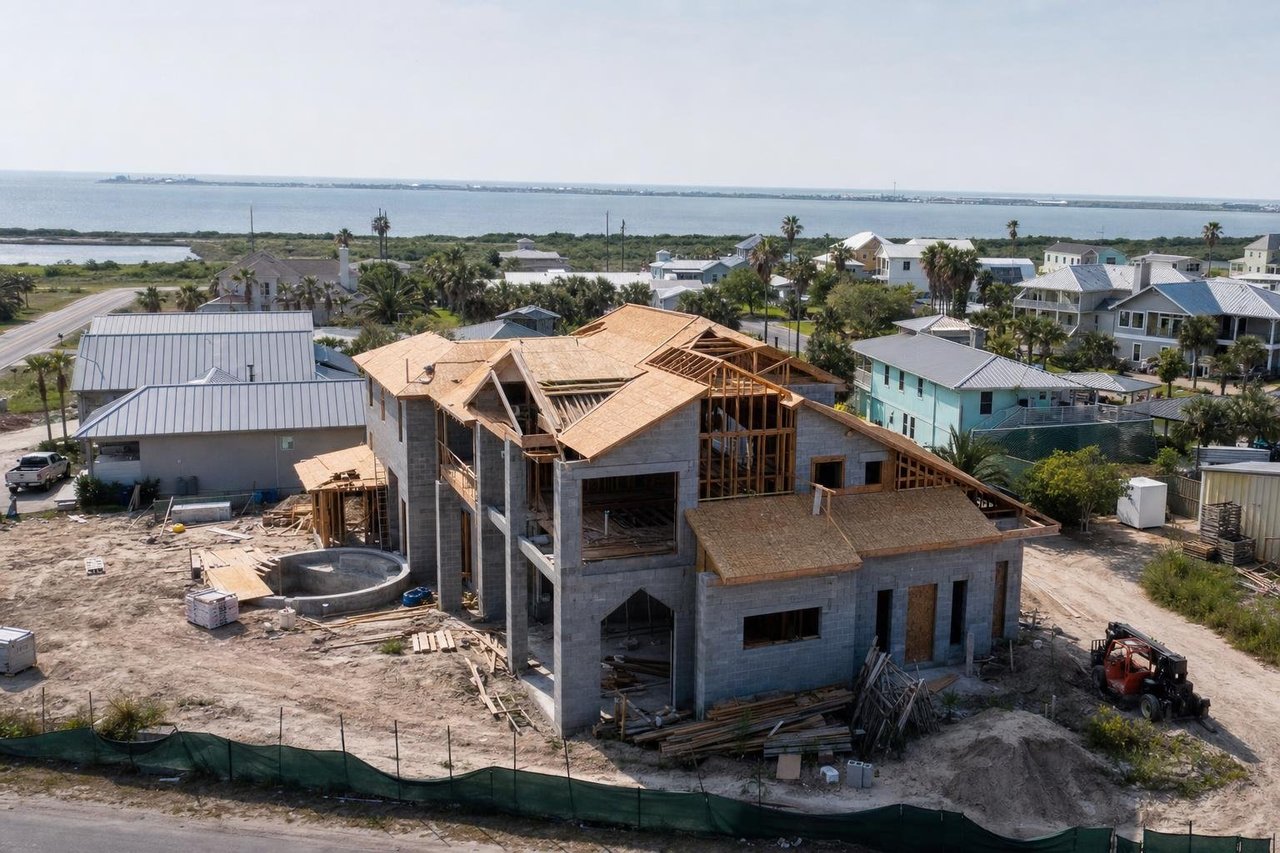
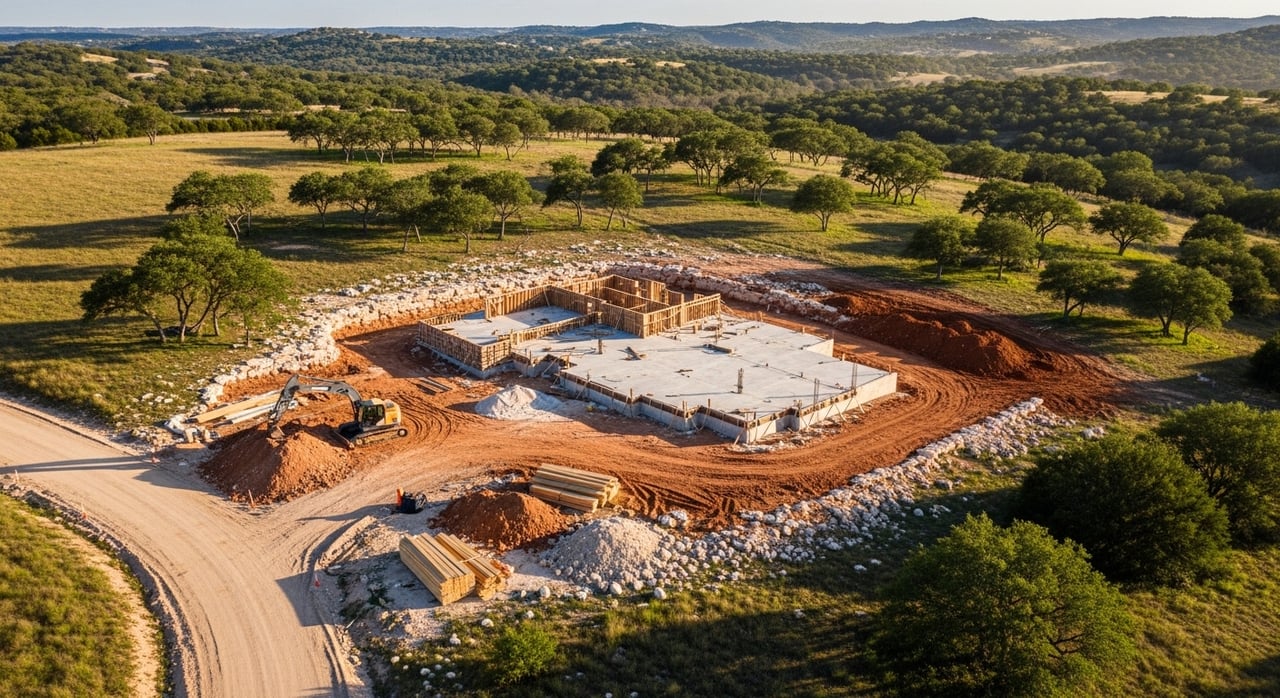
We have been building custom homes across Greater Austin since 2007, and the question we hear most often is simple: where should I buy land? The answer depends on your vision, your timeline, and the community you want to call home. With over a decade of experience building architectural masterpieces on in-fill lots, Hill Country acreage, and waterfront tracts, we know which Austin-area neighborhoods offer the strongest foundation for a truly custom home construction project.
Ready to find your lot and break ground? Call us at (512) 662-1349 and we will map out your build site together.
Key Takeaways
Austin-area land comes in several types, including in-fill lots, rural acreage, and waterfront tracts, each with different build considerations.
The best neighborhoods to buy land depend on your timeline, lot size needs, and proximity to Austin's urban core.
Texas Hill Country communities like Dripping Springs and Spicewood offer larger acreage and fewer deed restrictions compared to lots inside city limits.
Working with a builder before you buy land helps you avoid costly site issues that surface after closing.
Why Loop 360 Divides Austin's Custom Home Market
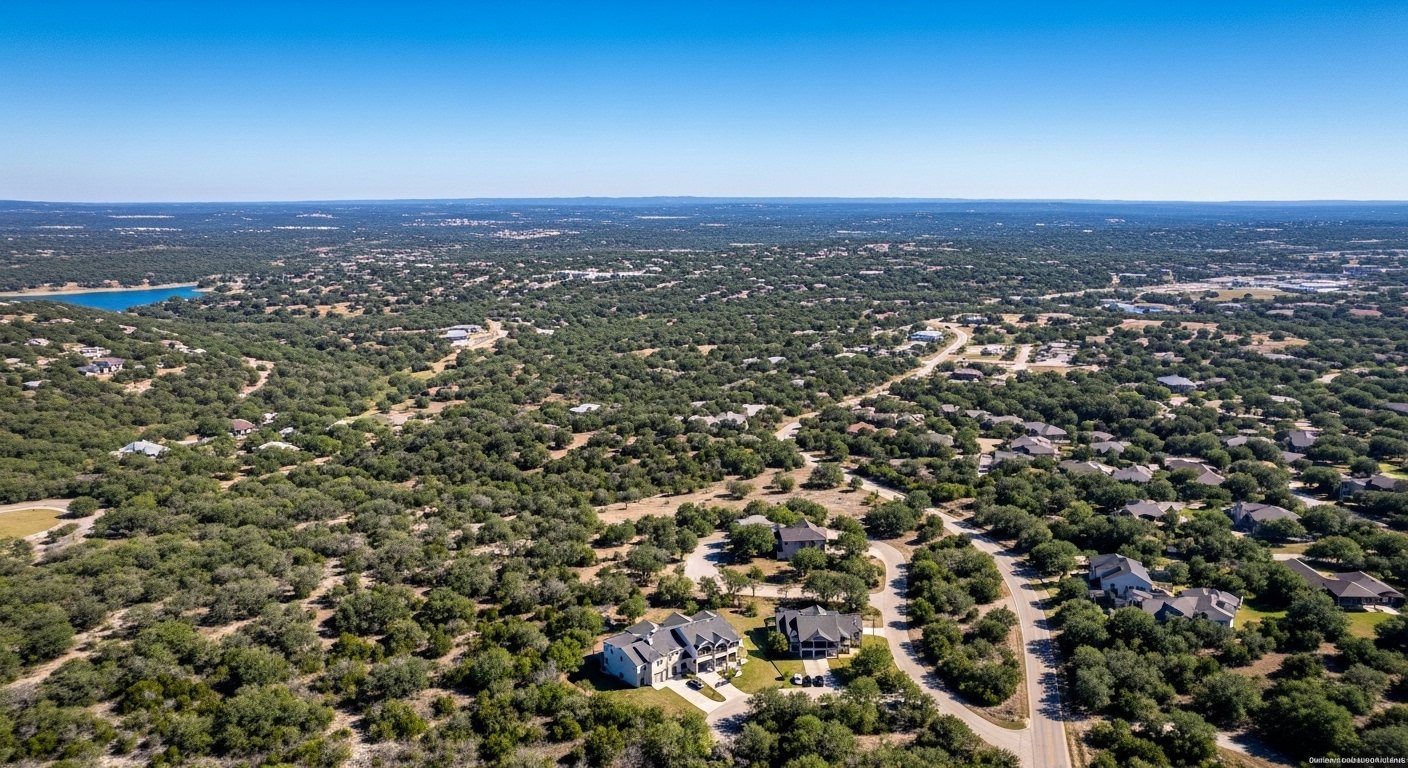
Austin's land market in 2026 is unlike any other in Texas. You are not choosing between one type of lot. You are choosing between two completely different building environments, each with its own soil conditions, zoning layers, utility access, and cost profiles.
East of Loop 360, you are dealing with Blackland Prairie clay soils. They expand when wet and shrink when dry, which creates foundation engineering challenges that significantly affect build cost and timeline. West of Loop 360, the Edwards Plateau limestone takes over. Communities like West Lake Hills, Lakeway, and Spicewood sit on this Hill Country geology. Bedrock close to the surface can mean blasting or engineered pier systems. But it also means dramatic topography, stunning views, and the kind of setting that defines a true architectural masterpiece.
We have been building across both corridors since 2007, with deep experience across both regions. That experience gives us a granular, lot-by-lot read on where luxury custom construction thrives and where hidden constraints eat your budget before a single wall goes up. If you are still in the research phase, our full guide on buying land to build a custom home in Austin is the right place to start.
What to Look for Before You Buy Land in Austin
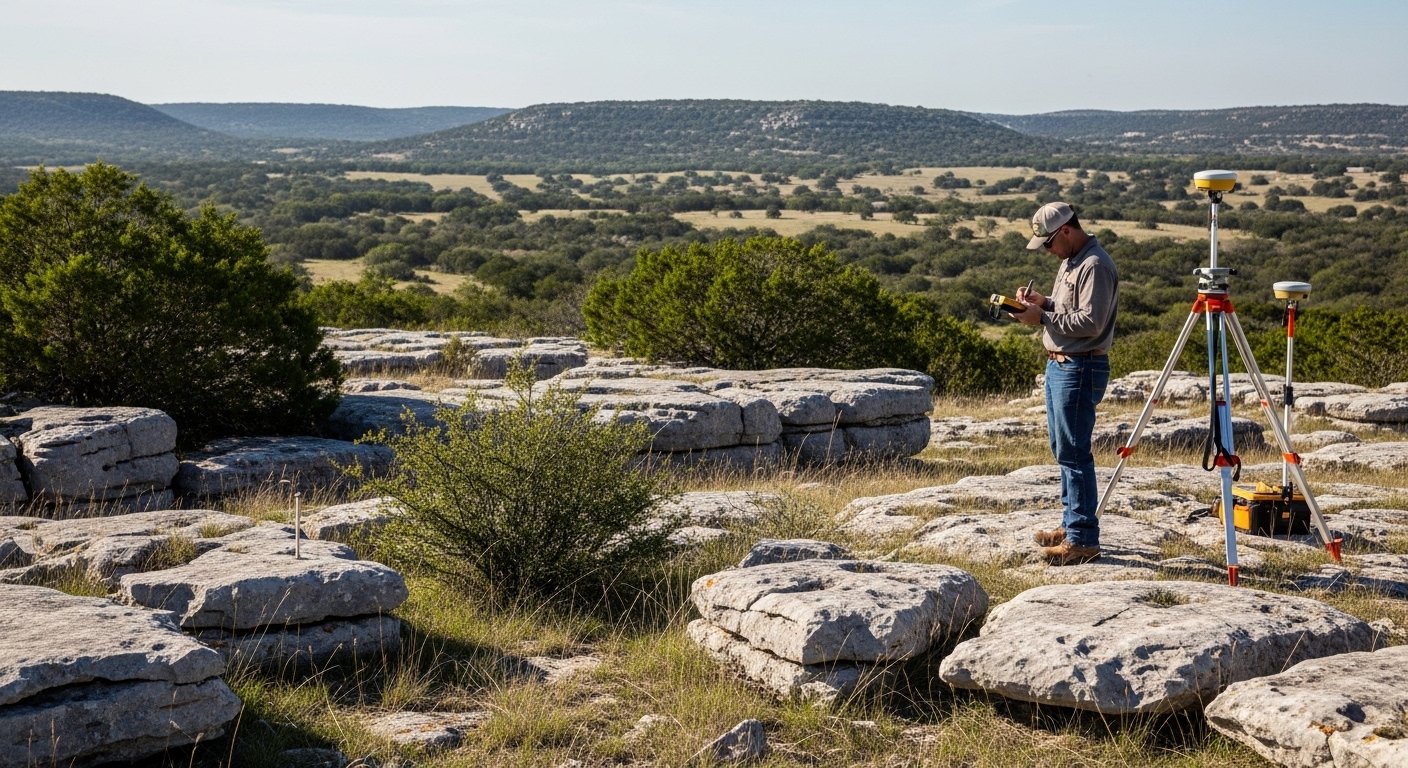
Buying a lot without understanding its buildability constraints is one of the most expensive mistakes we see buyers make. Zoning designations, soil conditions, and utility access can all make or break a project before a single foundation pour. Here is what to check before you commit.
Zoning, ETJ Boundaries, and Deed Restrictions
Inside city limits, Austin's Land Development Code assigns every parcel an SF designation. SF-1 and SF-2 both require a minimum lot size of 5,750 square feet and set strict impervious cover limits. SF-3 through SF-6 allow progressively denser configurations. Knowing your designation tells you what footprint you can actually build before you fall in love with a lot.
Austin's extraterritorial jurisdiction extends city influence over parcels well beyond city limits, but without full city services. Permitting in the ETJ sits in a gray zone that buyers routinely underestimate. Then add incorporated cities like West Lake Hills and Bee Cave, which run independent permitting departments completely separate from the City of Austin. That means a distinct review process, different timelines, and different inspectors. Always confirm jurisdiction before you close.
Request a zoning verification letter from the relevant municipality
Pull deed restrictions from the county clerk, not just the MLS listing
Confirm whether the parcel sits inside city limits, the ETJ, or unincorporated county land
Topography, Soil, and Hill Country Build Challenges
Eastern lots sit on Blackland Prairie clay. That soil expands and contracts dramatically with seasonal moisture changes. Post-tension slabs or engineered pier-and-beam foundations are not optional here; they are the standard response to a geology that will crack a conventional slab within a few years.
Move west toward the Edwards Plateau and the challenge shifts entirely.
Limestone bedrock in communities like Spicewood and Dripping Springs may require blasting or rock saw excavation, which adds cost and time. The upside is real: that same topography opens the door to walk-out basements and dramatic hillside designs that flat lots simply cannot offer. We factor rock excavation estimates into every Hill Country feasibility review from the start.
Utility Access, Septic Requirements, and Buildability
Rural lots in Driftwood, Spicewood, and Dripping Springs frequently have no municipal water or sewer. That means a private well and an aerobic septic system, both of which require permitting and site evaluation before purchase. Pull TCEQ records on any lot that lacks confirmed utility connections. An undisclosed failed perc test has killed more than a few deals late in the process.
Utility easements are the other silent lot-shrinker. LCRA and Pedernales Electric Cooperative easements along Colorado River tributaries can carve a substantial swath off a lot's buildable footprint. A parcel that looks generous on paper may have far less usable area once easements are mapped.
Confirm water source: municipal connection, private well, or water district
Check TCEQ records for septic feasibility and any prior system permits
Request a utility easement overlay from the title company before closing
Verify LCRA and PEC easement boundaries on any western or lakeside parcel
If you already own a parcel and want to move forward, our team walks through every one of these variables as part of our build on your lot in Austin process. No surprises after closing.
Top Neighborhoods Inside Austin City Limits to Buy Land and Build
Buildable lots inside the city limits do still exist. They are fewer than they were a decade ago, but they are there if you know where to look and what to do with them once you find them. As custom home builders in Austin who have worked in these neighborhoods since 2007, we know exactly which parcels pencil out and which ones carry hidden constraints that can derail a project before it starts.
West Austin and Tarrytown: Established Lots with Tear-Down Potential
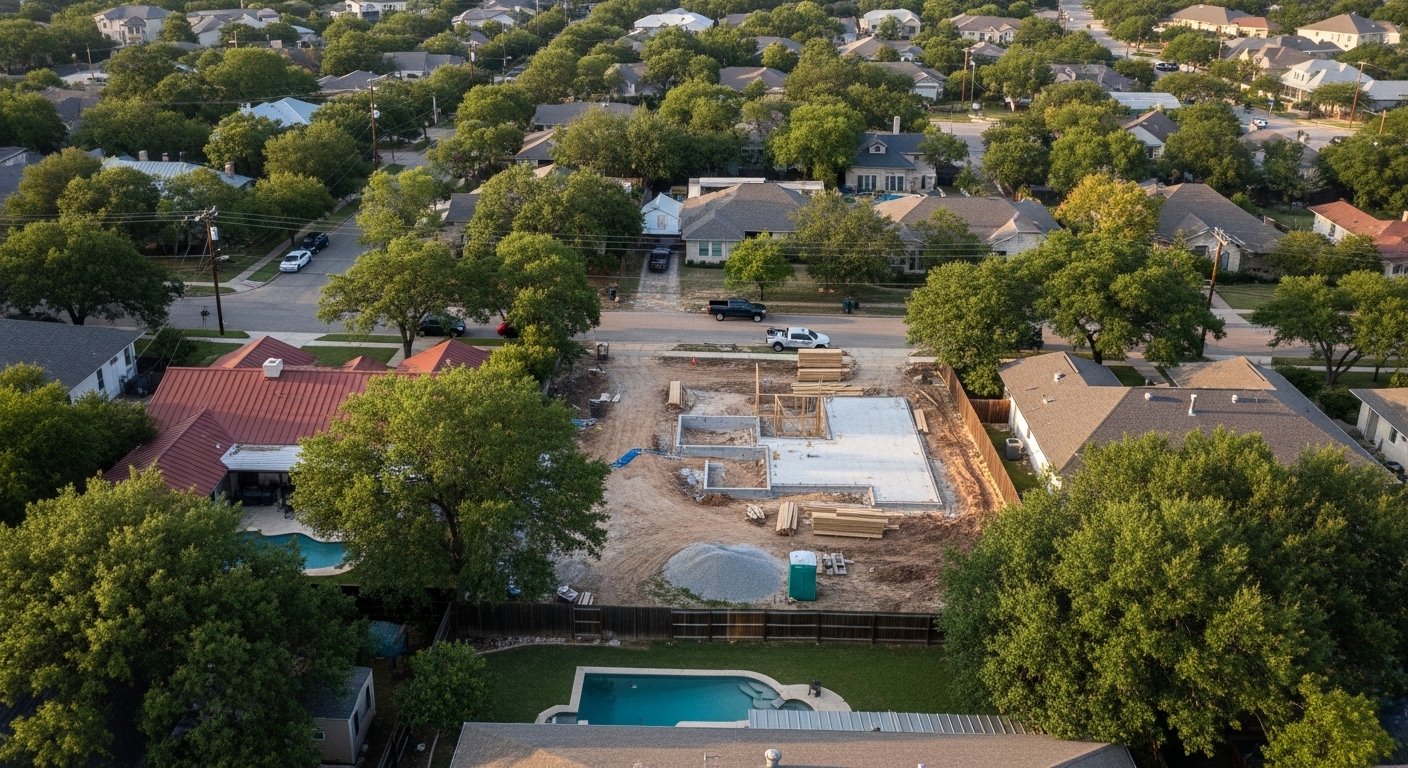
West Austin's 78703 and 78746 zip codes remain some of the most desirable land for sale in Austin. Lots here typically run 7,500 to 20,000 square feet, and most opportunities come through tear-down acquisitions on aging structures. Proximity to Barton Creek Greenbelt and Lake Austin drives finished-home values high enough to justify premium construction budgets.
The constraint buyers often miss is the city's compatibility standard. In established West Austin neighborhoods like Tarrytown, new construction height is tied directly to the scale of adjacent structures.
Impervious cover limits generally cap at 40 to 45 percent of the lot. That means precise architectural planning is required before you ever break ground. Tarrytown's mature live oak canopy adds another layer: protected trees affect where a foundation can be placed, where driveways can run, and how the footprint lays out on the lot.
Typical lot sizes: 7,500 to 20,000 sq ft
Impervious cover cap: 40 to 45 percent
Height tied to compatibility with adjacent structures
Tree protection ordinance applies to heritage oaks
East Austin (78702, 78722): Infill Lots and ADU Opportunities
East Austin's SF-3 and SF-6 zoning in 78702 and 78722 makes these infill parcels particularly attractive. Both zoning categories allow accessory dwelling units, so a buyer can build a primary residence and a separate guest suite or income-generating rental unit on the same lot. Parcels here typically run 5,000 to 8,500 square feet. Proximity to the University of Texas campus and the entertainment district keeps ADU demand consistently high.
One non-negotiable on East Austin lots: the Blackland Prairie clay soil. This is not a region where a standard slab works. Post-tension slab engineering is the baseline foundation approach here, not an upgrade. Factor that into your lot evaluation and your budget before you make an offer on any parcel in these zip codes.
Zoning: SF-3 and SF-6 allow ADUs by right
Typical lot sizes: 5,000 to 8,500 sq ft
Foundation requirement: post-tension slab engineering standard
Strong rental demand driven by nearby employment and entertainment
North Austin (78757, 78758): Larger Lots Near the Domain
Brentwood, Crestview, and North Loop in 78757 occasionally surface quarter-acre infill parcels, which is genuinely generous by inner-city standards. The Domain mixed-use district anchors long-term desirability for this corridor. Professionals who want to avoid a long commute are the core buyer profile here, and that drives sustained demand for new construction.
Architectural direction in this part of the city has shifted clearly toward modern and contemporary design over the past decade. Clean lines, flat or low-pitch rooflines, and open-plan interiors are what the market rewards. If you are evaluating lots for sale in North Austin's 78757 and 78758 zip codes, plan your design concept around that buyer expectation from the start.
Neighborhoods: Brentwood, Crestview, North Loop
Lot sizes: up to quarter-acre on select infill parcels
Dominant style: modern and contemporary
The Domain employment anchor supports long-term resale value
Best Communities Near Austin to Find Land for a Custom Build
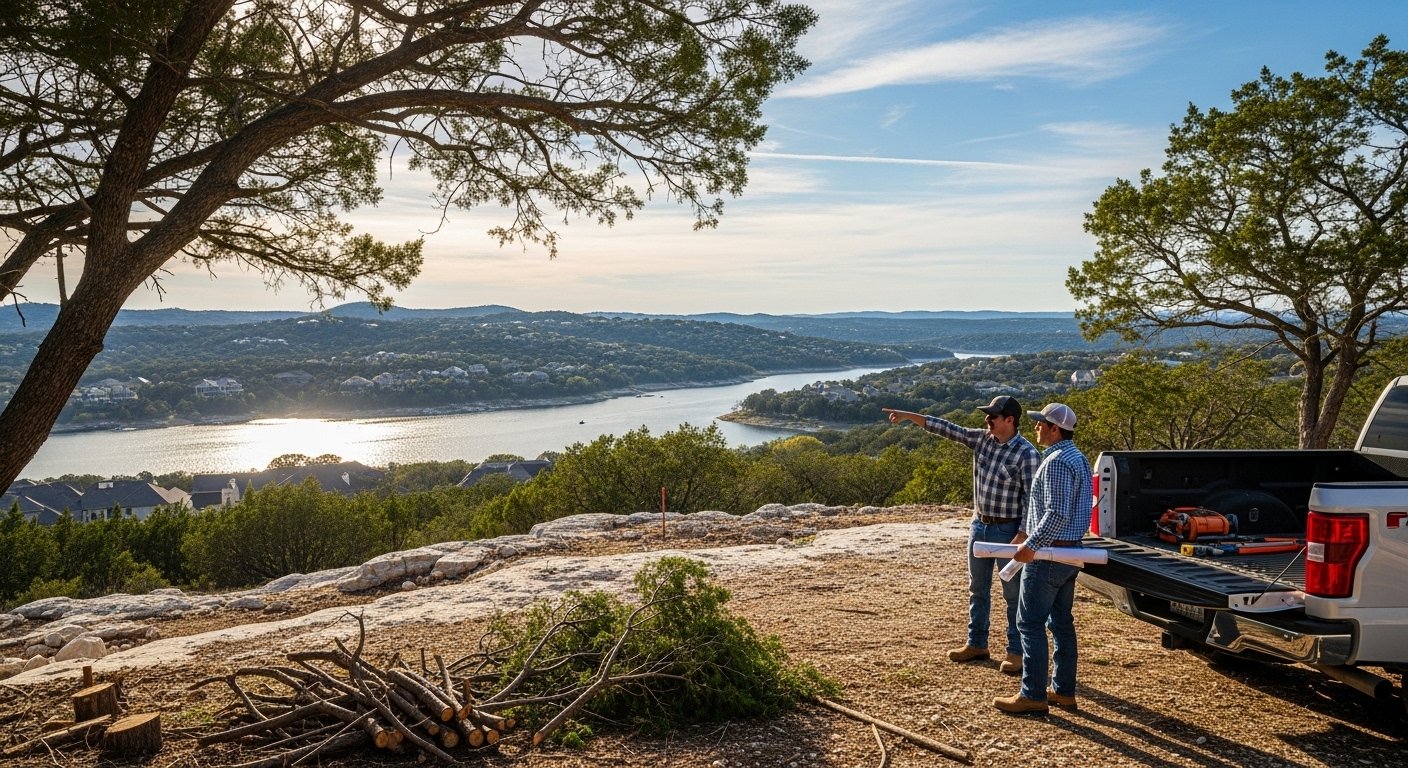
The communities ringing Greater Austin offer some of the most compelling land opportunities in Central Texas, each with its own regulatory character, lot inventory, and lifestyle draw. Knowing which community fits your build vision before you buy land saves time, money, and surprises.
West Lake Hills and Rollingwood: Premium Hill Country Lots
West Lake Hills is an incorporated city inside Travis County with its own building department, and that distinction matters. The review process is detail-oriented. Exterior materials are regulated: natural stone, stucco, and wood are the approved palette. Minimum home sizes run well above 2,500 sq ft. Buyers who treat those standards as obstacles miss the point. Those same standards protect resale values and maintain the character that makes this area worth the premium in the first place.
The terrain rewards the investment. Hill Country limestone allows walk-out lower levels, infinity-edge pool installations, and panoramic skyline views from elevated pads. We have built on grades that required real structural engineering, not just a few retaining walls. Our custom home builders in West Lake Hills know the permit review history and which material submittals move fastest through that office. That familiarity shortens your timeline in a meaningful way.
Bee Cave and Austin: Master-Planned Communities with Custom Lots
The Highway 71 and 620 corridor gives buyers two very different land types within a few miles of each other. Master-planned neighborhoods in Bee Cave offer CC&R lots starting around 8,000 sq ft, with HOA design guidelines and full utility infrastructure already in place. Standalone rural parcels in Lakeway push past an acre and give you more design freedom. Lake Travis access is the lifestyle anchor for both.
Our office sits at 312 Medical Pkwy Bldg B in Austin, TX 78738, which puts our team close to local permit counters and active land sales in this corridor. When a parcel comes available, we can walk it fast and flag real build constraints before you commit. Our custom home builders in Bee Cave have delivered architectural masterpieces across both lot types in this area. The Serene Hills neighborhood in Lakeway has become a strong reference point for custom homes in Serene Hills built for low-maintenance, long-term living.
Spicewood and Driftwood: Acreage and Rural Estates
If genuine acreage is the goal, these two communities deliver. Parcels range from two acres to twenty-plus, with limestone outcroppings, seasonal creeks, and live oak canopy. The trade-off is infrastructure. Private wells and aerobic septic systems are the norm. Propane replaces natural gas in Driftwood. Budget those costs into your land acquisition plan before you make an offer, not after.
Driftwood sits in Hays County, which operates under a distinct regulatory framework from Travis County parcels. Burnet County land near Spicewood often falls outside city ETJ zones entirely, giving you real design freedom on setbacks and structure placement. That freedom only benefits you if your builder knows how to work with grade changes and site-responsive design rather than grading everything flat. Our custom home builders in Driftwood have navigated both county systems and know exactly what each parcel type demands.
Ready to find the right lot and build the home you have been planning? Call Seven Custom Homes at (512) 662-1349 or visit our Austin office at 312 Medical Parkway, Bldg B, Austin, TX 78738. Our team will walk your site, flag the real constraints, and show you exactly what is possible before you commit to a purchase.
Frequently Asked Questions
How Long Does It Typically Take to Build a Custom Home After You Buy Land in Austin?
From land closing to move-in, most custom home projects in the Austin area take 14 to 24 months depending on lot complexity, permit timelines, and design scope. Seven Custom Homes works with clients early in the process to set realistic schedules that account for Hill Country site prep, which can add several weeks compared to flat urban lots. Permitting through Travis County or the City of Austin can take 6 to 16 weeks on its own, so starting the process immediately after closing is critical.
Is It Cheaper to Buy Land and Build vs. Buying an Existing Luxury Home in Austin?
Building custom is rarely the cheapest option upfront, but it often delivers stronger long-term value because the home is designed specifically for your needs with modern systems and materials. In competitive Austin submarkets like West Lake Hills or Tarrytown, existing luxury inventory is scarce, which means buyers frequently overpay for older homes that still need significant updates. When you factor in renovation costs on an existing home, buying land and building with Seven Custom Homes can be cost-competitive while giving you full control over the finished product.
Can I Use a Construction Loan to Buy Land and Finance the Build at the Same Time?
Yes, construction-to-permanent loans allow you to finance both the land purchase and the build under a single loan that converts to a traditional mortgage at project completion. These loans typically require a larger down payment than a standard mortgage, often 20 to 25 percent, and lenders will want to review your builder's credentials and a detailed construction budget. Seven Custom Homes routinely works with lenders familiar with Austin custom builds and can provide the documentation and draw schedules lenders require.
What Happens If the Land I Buy Has Environmental or Heritage Tree Restrictions?
Austin enforces strict heritage tree ordinances that protect trees with a trunk diameter of 19 inches or more, and removing or damaging them without a permit can result in significant fines. Environmental overlays, including the Edwards Aquifer Contributing Zone, can also limit impervious cover and require additional engineering review. Seven Custom Homes conducts a thorough pre-purchase site assessment to identify these restrictions before you commit, so there are no costly surprises after closing.
Do I Need a Separate Architect, or Does Seven Custom Homes Handle Design and Build Together?
Seven Custom Homes operates as a design-build firm, meaning architectural design, interior selections, and construction are managed under one roof rather than coordinated across separate contracts. This integrated approach reduces communication gaps that commonly cause delays and budget overruns on custom projects. Clients who already have a relationship with an independent architect are welcome to bring that team in, and Seven Custom Homes will collaborate directly with them throughout the build.
How Much Land Do I Actually Need for a Custom Home in the Austin Area?
The minimum lot size depends heavily on the municipality, zoning designation, and your desired home footprint. Inside Austin city limits, many infill lots in East Austin run between 5,000 and 7,000 square feet, which is sufficient for a well-designed two-story home with a modest yard. If you want a single-story sprawling layout, a pool or outdoor living space, or an accessory dwelling unit, plan for at least a quarter acre, and rural communities like Spicewood or Driftwood offer acreage parcels where lot size is rarely a limiting factor.
What Should I Expect at My First Meeting with Seven Custom Homes After Buying Land?
The initial project meeting typically covers a detailed review of your survey, any existing site reports, your budget range, and your design priorities. Seven Custom Homes will walk through what the land's specific characteristics mean for foundation type, drainage planning, and access, translating technical site data into plain language. From that meeting, the team produces a preliminary project timeline and a rough cost framework so you can make informed decisions before design work formally begins.
Ready to Get Started with Seven Custom Homes?
Call (512) 662-1349 to speak with our team directly. We are ready to answer your questions, walk you through your options, and help you find the right solution for your needs. Whether you're just starting to plan or ready to move forward, we will make the process simple and stress-free. Reach out today and we will talk about how we can help.