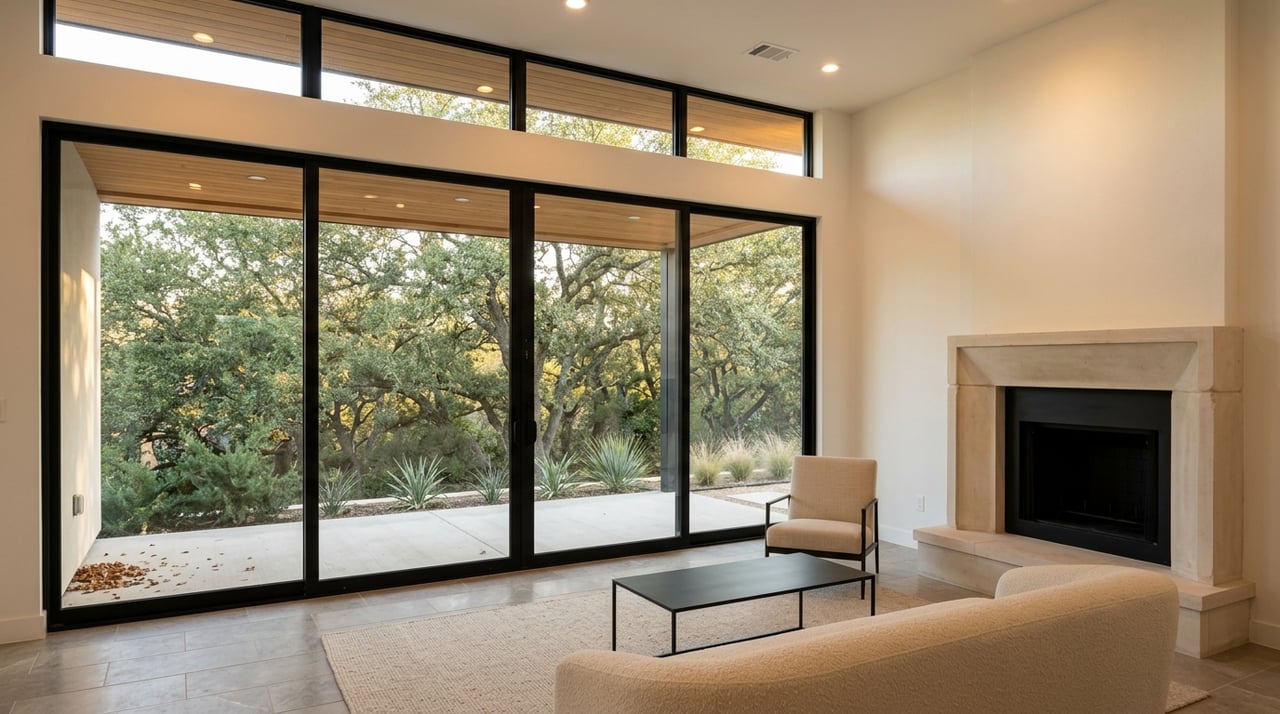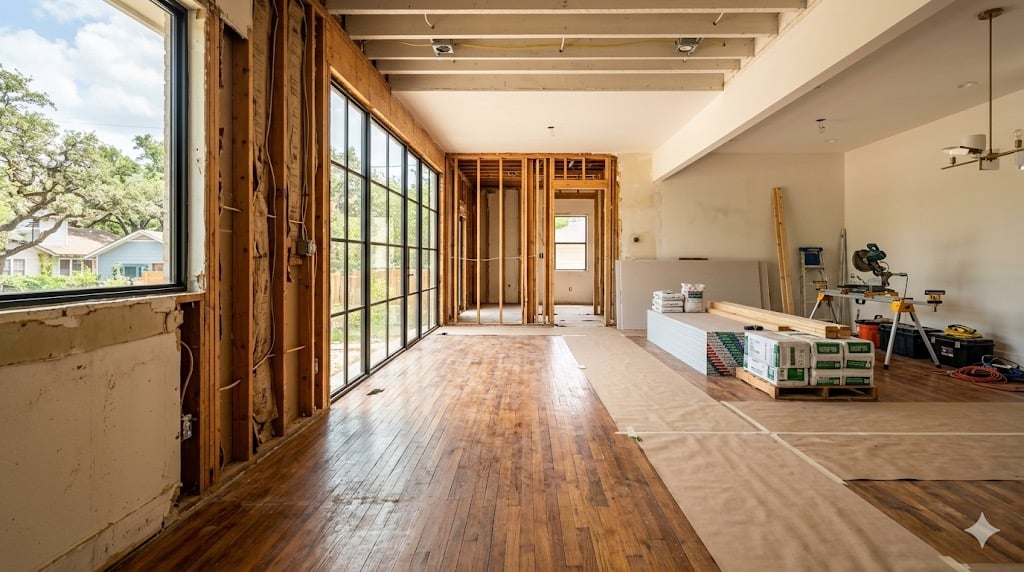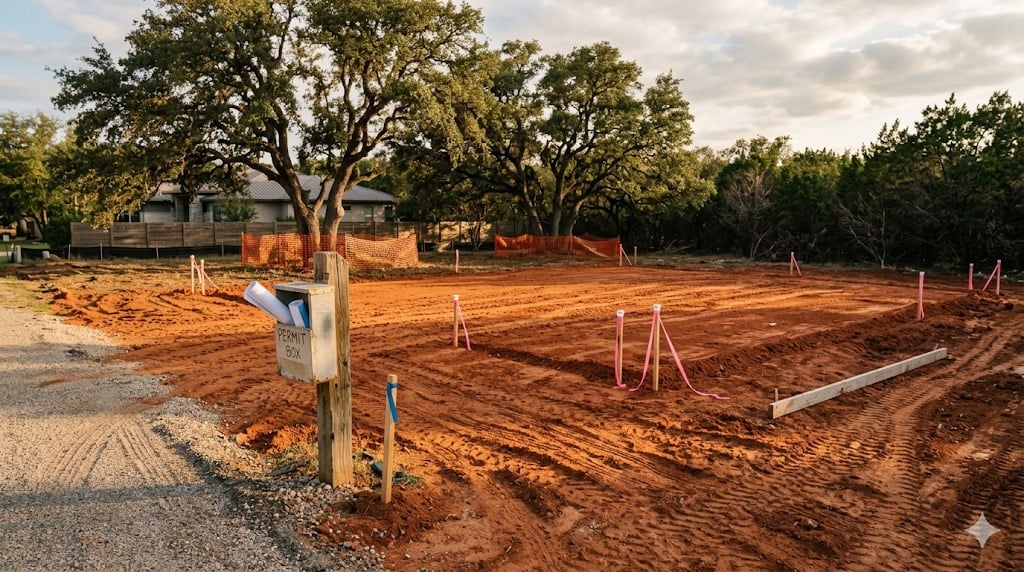
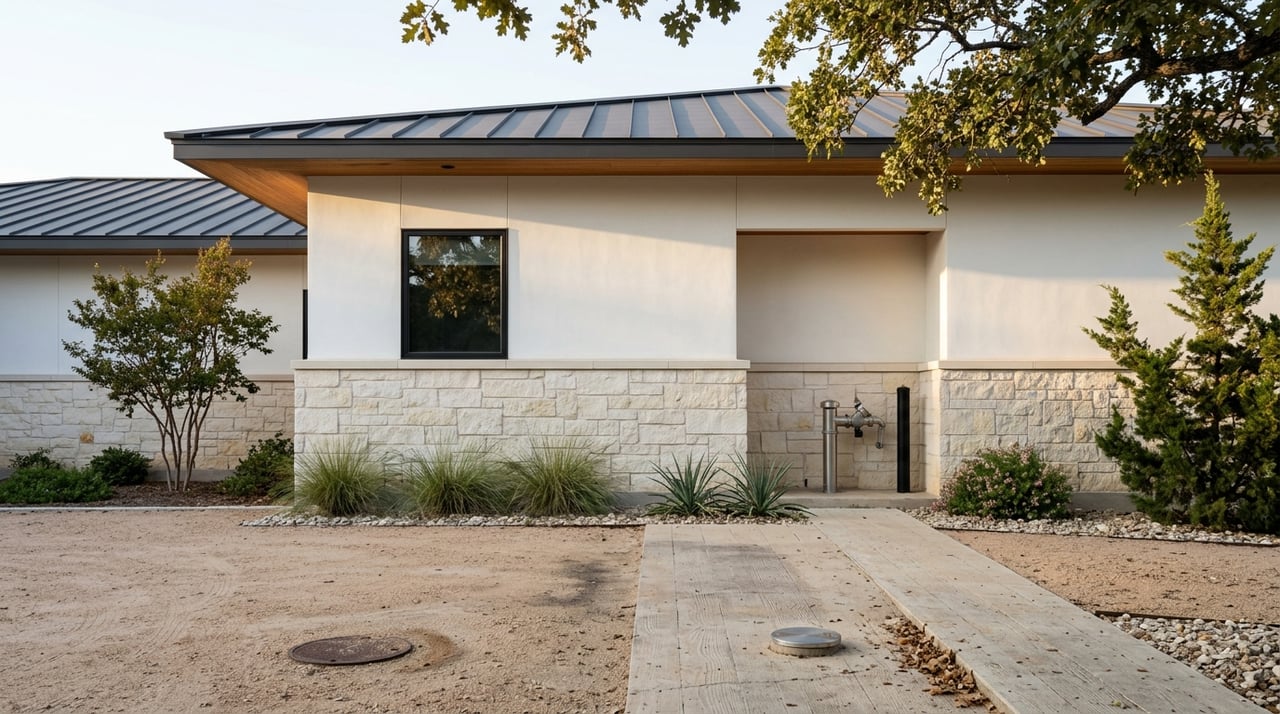
If you are shopping for acreage in Dripping Springs, it is easy to fall in love with the views and miss the real question: can the site actually support the home you want to build? In this part of Hays County, wells, septic layout, driveway access, and fire review often shape the project long before finishes or floor plans come into focus. When you understand those constraints early, you can protect your timeline, avoid expensive redesigns, and choose land with more confidence. Let’s dive in.
Why site feasibility comes first
On Dripping Springs acreage, the first decision is usually not architectural. It is whether the tract works from a permitting and infrastructure standpoint.
Authority can shift depending on where the property sits. A tract may fall under the City of Dripping Springs, Hays County, or certain ETJ subdivisions with development agreements, and that changes the approval path.
Hays County also treats development broadly. Houses, pools, sheds, outbuildings, roadways, grading, and fill can all require county permitting, and a tract that is not properly platted or otherwise compliant can be blocked from development authorizations, OSSF permits, and driveway permits.
If a property is fully inside city limits, county plat approval is not required, but city permitting still may be. If it is outside city limits, county subdivision and development rules become much more important.
Confirm jurisdiction before design
Acreage can feel simple on a listing sheet, but jurisdiction is where the process usually starts. Before you invest heavily in plans, you want to confirm who reviews the project and what permits will be required.
The City of Dripping Springs requires building permits inside city limits, limited-purpose city limits, and certain ETJ subdivisions with development agreements. The city’s builder information also notes that it does not own water infrastructure, so many properties are served through Dripping Springs WSC.
The same city packet states that the city’s wastewater system is currently at full capacity and is not accepting new wastewater connections. For many acreage buyers, that pushes septic feasibility to the top of the checklist.
A past city variance case also shows how small acreage can create practical issues. In that case, staff tied a 1.90-acre tract to minimum lot-size concerns involving private septic, private well concerns, and county review.
Wells can determine the buildable area
In Dripping Springs, water is not a background detail. It is often one of the biggest drivers of where your house can sit and whether the tract works for your long-term plans.
The Hays Trinity Groundwater Conservation District says it is in Emergency Drought Stage and that water wells are failing at an unprecedented rate. The district also says it is not accepting new permits for production or non-exempt well construction until conditions improve.
Before drilling begins, the district requires forms, a map, a fee, and a Well Construction Notification Confirmation. That means you should treat well planning as an early due diligence step, not a late-stage construction item.
Texas also requires a licensed water well driller or pump installer to drill a water-related well or install a pump. State rules say a well can be placed 50 feet from property lines and must be separated from septic systems by 50 feet from a septic tank and 100 feet from drain fields or spray areas when minimum construction specifications are met.
Why well setbacks matter so much
Those separation rules can shrink the usable part of a lot faster than many buyers expect. Your well, septic area, house footprint, driveway, pool, and future outbuildings all have to fit together without conflict.
That is why a tract can look generous on paper and still feel tight in practice. On luxury acreage, where you may want a guest house, barn, shop, or expanded outdoor living, these spacing decisions become even more important.
Water restrictions also vary by provider. As of April 1, 2026, City of Dripping Springs water customers are under Stage 2 mandatory watering restrictions, while Dripping Springs WSC displays Stage 4 watering restrictions effective May 23, 2025.
Dripping Springs WSC says its system includes four groundwater wells south of town, a raw-water agreement with LCRA, and a treatment contract with the West Travis County PUA. That helps explain why water supply and drought response remain a recurring issue in the area.
Septic layout shapes the whole site
For many acreage homes near Dripping Springs, septic design is what truly defines the buildable envelope. Hays County requires an OSSF permit for every on-site sewage facility, regardless of lot size or acreage.
The county also says it will not issue an OSSF permit for a tract that violates county subdivision regulations. In other words, septic approval depends on both the system design and the legal status of the property.
If your project is on septic, the City of Dripping Springs builder packet says the OSSF permit must be applied for separately. That adds another reason to coordinate site planning early.
Aerobic OSSFs also come with ongoing obligations. Hays County says aerobic systems require a maintenance contract with a licensed maintenance provider.
Plan the house around septic, not after it
On acreage, septic is not just a utility choice. It affects placement of the home, driveway alignment, open space planning, and how much room you preserve for future amenities.
If you are thinking about a pool, detached casita, barn, shop, or large outdoor entertaining area, those uses need to be laid out around the septic area and required well separation. Early coordination matters because moving one element often forces changes to several others.
The city’s site plan requirements reinforce that point. The plan must show lot dimensions, setbacks, easements, utility locations, driveway location and width, impervious cover calculations, and drainage flow.
Hays County also requires a 9-1-1 address for all habitable structures. On larger estates, that can matter if you plan a detached guest house or other occupiable secondary structure.
Driveways and fire access are major hurdles
One of the most overlooked parts of acreage planning is access. A long scenic drive may look attractive, but it can trigger technical requirements that affect cost, layout, and even whether the tract works as planned.
Hays County Transportation reviews driveway permits and utility work in county rights-of-way. Within the city, driveway or street-cut permits must follow the city’s technical standards and code.
The Hays County Fire Marshal also reviews site plans under the 2018 International Fire Code and local amendments. For site and foundation or building permits, the county requires scaled plan sets and a fire-protection site plan showing access roads, hydrant locations or an approved fire-water supply, and distances to property lines and nearby structures.
That review becomes especially important on deep private tracts. Long driveways and dead-end access can trigger turnaround, gate, and road-width requirements that need to be addressed before final layout decisions are made.
What fire code can mean on acreage
Hays County Fire Marshal access-road guides state that fire apparatus access roads should be all-weather, support 75,000 pounds, and generally be at least 20 feet wide. Where a hydrant is on the road, the width is generally 26 feet.
Dead-end roads or driveways over 150 feet need an approved turnaround. Gates must be at least 20 feet wide and Knox-accessible.
The county’s published documents differ slightly on vertical clearance, with one sheet showing 13 feet 6 inches and another showing 14 feet. Because of that, it is smart to confirm the controlling standard with the fire marshal before final grading and tree-clearing decisions.
Fire water supply can also affect project scope. Hays County’s fire-flow bulletin says that if a project is not within 300 feet of a public or municipal water system, or if the system cannot provide adequate fire flow, an alternative water supply is required.
The same bulletin states that the minimum fire-protection tank capacity is 15,000 gallons and that tanks must have an alarm. For some acreage buyers, that becomes a major siting and budget consideration.
Which lot patterns usually work best
No two acreage tracts are identical, but some layouts tend to support certain goals better than others. In Dripping Springs, thinking in site patterns can help you compare land more realistically.
Front-loaded lots
These lots are often simpler when utilities and driveway connections sit closer to the street. That can make it easier to fit a pool, guest suite, or smaller accessory building.
The tradeoff is usually less privacy and less flexibility to shift the house deeper into the tract later. If your goal is a more secluded estate feel, this layout may feel limiting.
Deep private tracts
These are often attractive for hobby uses because barns, paddocks, or equipment areas can sit farther from the main residence. They can also create a stronger sense of retreat.
The challenge is access. Long dead-end drives may trigger turnaround, gate, and fire-access requirements that influence both cost and design.
Ridge or view lots
These properties can be visually stunning, but they are often some of the hardest to plan. The best home site for the view may conflict with drainage, cut-and-fill needs, septic area placement, or emergency access.
Hays County floodplain and fire review can become real constraints here. A beautiful high point is not always the easiest or most efficient place to build.
Accessory-heavy estates
If you want a main house plus a pool, outbuildings, hobby structures, or future additions, the lot needs to be treated like a systems puzzle first. Hays County counts pools, sheds, outbuildings, grading, and fill as development.
That means even a large tract can become tight once you reserve room for septic, well placement, access, and future improvements. This is where early lot evaluation can save significant time and redesign work.
Guest houses and casitas
A detached guest structure can be a great fit for a legacy estate, but the use matters. Hays County notes that rental houses require a licensed installer for OSSF work, and commercial or multifamily projects may trigger added water-supply or aquifer-protection requirements where applicable.
That is why it is important to clarify how the structure will be used before planning the site. A second residential structure and a rental-oriented use may not follow the same path.
A practical order of operations
If you are evaluating acreage in Dripping Springs, a clear sequence can help you avoid surprises. The most efficient projects usually answer site questions before design decisions become expensive to change.
A practical order looks like this:
- Confirm jurisdiction and applicable permits.
- Confirm water source and well feasibility.
- Confirm septic feasibility and layout.
- Confirm driveway standards and fire access.
- Finalize the home site and floor plan.
That process is especially valuable if you are planning a larger custom estate with a pool, guest house, detached garage, barn, or other accessory features. The more ambitious the program, the more important early site discipline becomes.
For high-end custom homes, this is where an integrated design-build mindset helps. When lot evaluation, permitting strategy, and home planning are coordinated from the beginning, you reduce friction and make better decisions while options are still open.
If you are exploring acreage around Dripping Springs and want a clear read on whether a tract supports the home you have in mind, working with a team that understands site feasibility can save you time and costly revisions. David Lyne and Seven Custom Homes guide clients through lot evaluation, architectural coordination, permitting, and construction oversight so you can move forward with more confidence.
FAQs
What should you check first on a Dripping Springs acreage lot?
- Start by confirming jurisdiction, since the property may fall under the City of Dripping Springs, Hays County, or certain ETJ subdivision rules, and that affects permits, review, and development requirements.
Do Dripping Springs acreage homes usually need septic permits?
- Yes. Hays County requires an OSSF permit for every on-site sewage facility, regardless of lot size or acreage, and the tract must also comply with county subdivision regulations.
Can a well affect where you place a home on Dripping Springs acreage?
- Yes. State well-separation rules and local groundwater conditions can limit where the well, septic system, house, driveway, pool, and outbuildings can be placed on the site.
What fire access issues matter on Hays County acreage?
- Long driveways, dead-end access, gate width, turnaround requirements, road width, and fire-water supply can all affect site planning and may change the layout or cost of a project.
Are guest houses treated differently on Dripping Springs acreage?
- They can be. A detached guest house may follow a different path if the intended use crosses into rental or commercial activity, so the planned use should be clarified early in the process.